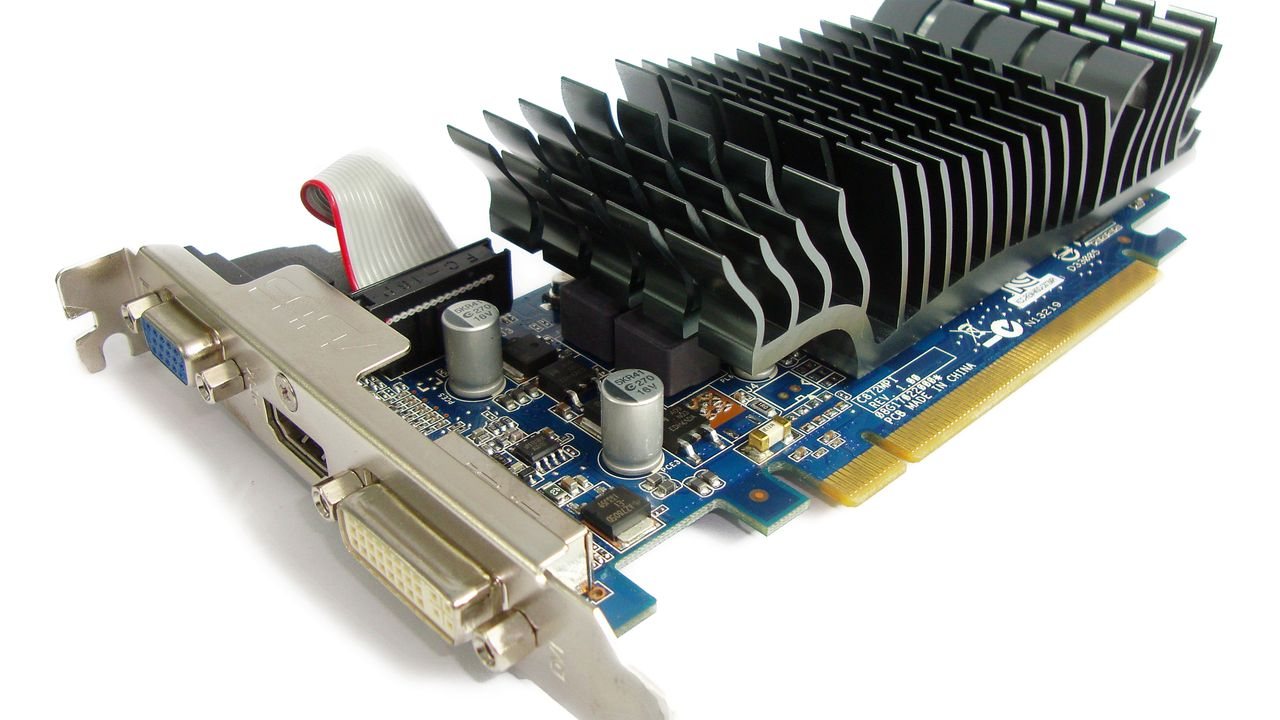
Nvidia's next-generation Blackwell Ultra (B300), targeting volume production in late 2026 with 1.8x better power efficiency and 288GB of HBM3e, has shifted the competitive frontier from raw performance to a more brutal question: who controls early allocation. With OpenAI and xAI pre-committing to hundreds of thousands of units, the scarcest resource in AI is no longer talent or capital—it is a confirmed slot in Nvidia's order book.
The efficiency leap creates a strategic paradox for data-center operators worldwide. In power-constrained metros—from Northern Virginia to Frankfurt to greater Tokyo—where new grid connections are effectively frozen, B300 lets operators extract 1.8x more compute from the same power envelope. This dramatically improves replacement-investment ROI for incumbents while eroding the economics of greenfield builds. Operators that delay redesigning for liquid cooling and 48V DC distribution by mid-2026 will face a structural disadvantage three years out. Expect a wave of retrofit capex to displace new construction.
The supply-chain exposure is acute. HBM3e remains a duopoly between SK Hynix and Samsung, with Micron trailing on yield. Any geopolitical disruption on the Korean peninsula could halt AI infrastructure plans overnight—a single-point-of-failure that few national strategies have hedged. Conversely, the back-end ecosystem is the asymmetric winner: surging CoWoS-L packaging demand should re-accelerate Disco, Tokyo Electron, Lasertec, and Advantest through 2026-27. For investors, this segment's earnings momentum may drive the rerating of the entire semiconductor complex more than GPU vendors themselves.
Recommended actions: enterprise buyers in finance, manufacturing, and telecom should redesign LLM roadmaps around 288GB single-node capacity—70B-class models become servable without multi-node sharding, unlocking latency-sensitive use cases like real-time credit scoring and factory anomaly detection. Trading houses and materials firms should secure second-source HBM and invest in glass-substrate packaging. Policymakers should recognize that winning the GPU race is necessary but insufficient; the real contest is industrializing domestic models and applications that actually run on the silicon. Allocation is the entry ticket—not the prize.




