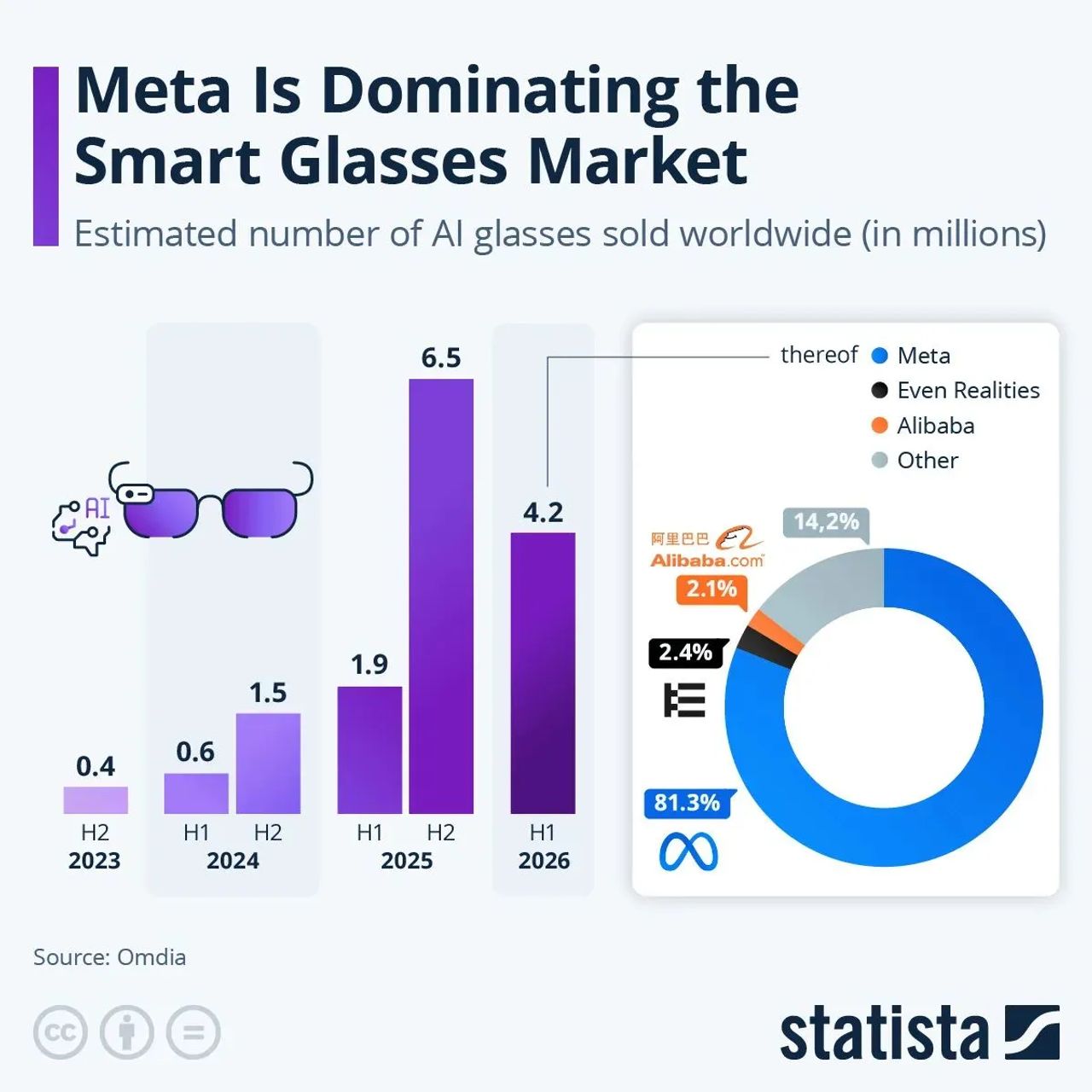
Meta has added an audio-only pair of AI glasses to a lineup that recently gained a higher-end camera model, signaling a deliberate move to segment the category by price rather than wait for one breakthrough device.
The strategic logic is platform economics, not gadget sales. A cheaper audio tier lowers the entry barrier and grows the base of people wearing Meta hardware on their faces every day. That base is the real asset: it feeds usage data to multimodal assistants, gives developers a reason to target the platform, and eventually justifies the cost and battery penalty of full displays. Competitors chasing a single flagship are optimizing for reviews; Meta is optimizing for distribution. The open risks remain unchanged and material: no universally compelling daily use case beyond capture and audio, real privacy friction around always-on cameras and microphones, and regulators in several markets scrutinizing bystander consent. Whoever defines the social norms and the assistant layer first will hold durable leverage, which is why Meta is willing to sell hardware thinly to own the front-end to AI.
For Japanese hardware makers, the gap is not optics or miniaturization, where Sony-class suppliers remain strong, but the ad-funded platform and assistant ecosystem that make thin-margin glasses viable. Component vendors can win in waveguides, micro-displays, and low-power sensing as volumes rise, yet the profit pool concentrates around the software and data layer that Japanese consumer-electronics firms have historically ceded.
The nearer-term opportunity for Japanese enterprises and SIers sits in the genba, not the consumer street. Field service, equipment maintenance, warehouse picking, and manufacturing inspection are proven hands-free use cases where smart glasses already pay back. As Meta normalizes the form factor and drives down component costs, B2B pricing and user-experience expectations will reset, pressuring integrators to deliver polished, assistant-driven workflows rather than clunky AR overlays.
For local development and RPA teams, the shift is from screen automation toward frontline, voice-and-vision workflow automation: guided procedures, automatic logging, and real-time knowledge retrieval for deskless workers. The caution is platform dependency. Building deeply on a single vendor's consumer glasses carries roadmap and data-governance risk, so Japanese SIers should favor device-agnostic architectures and treat glasses as one more edge endpoint in an existing automation stack rather than a new silo.




