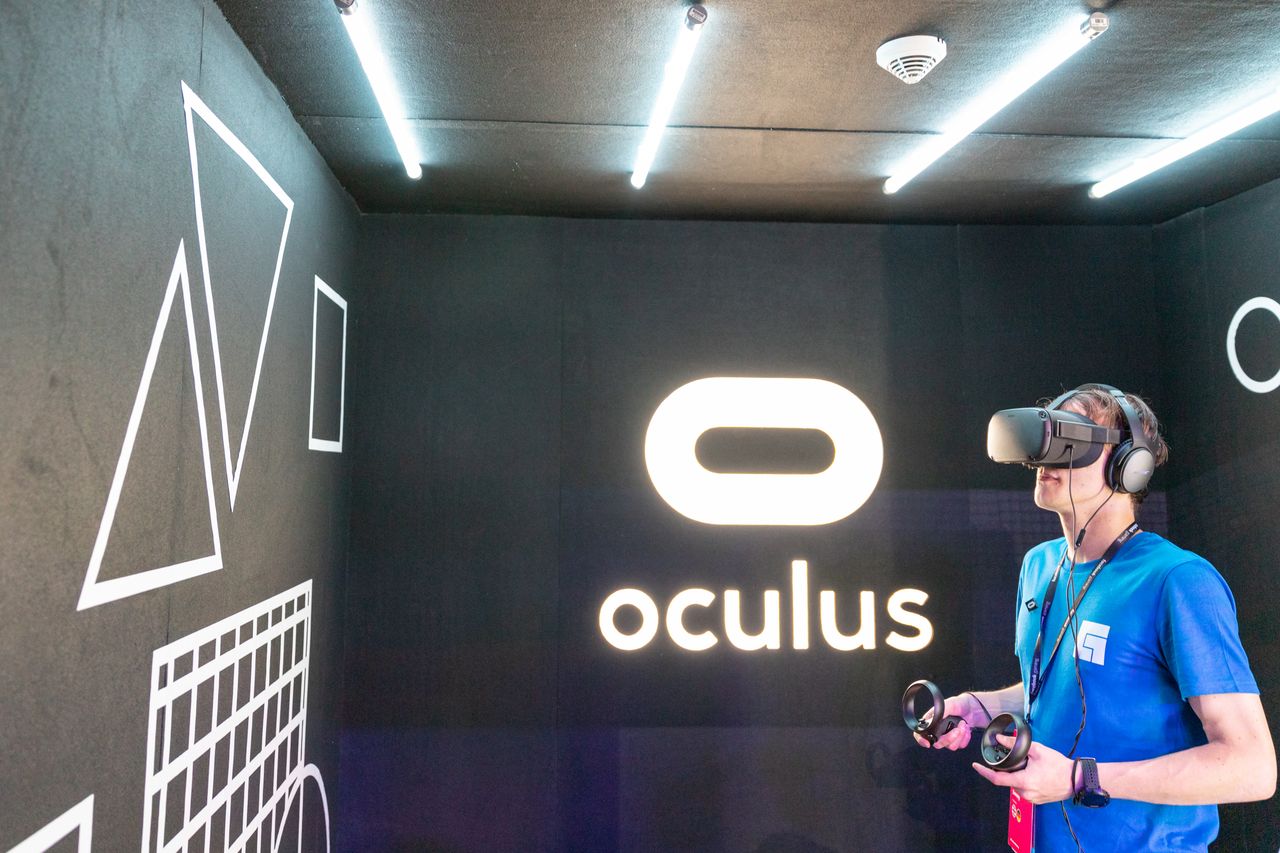
Meta's decision to spin out Supernatural, the VR fitness subscription app it acquired in 2021's Within deal, rather than shutter it after layoffs is a small move with an outsized strategic signal. It reflects a broader recalibration sweeping the platform giants: when every available dollar is being funneled into AI infrastructure, anything that doesn't compound the core thesis gets cut loose.
The context matters. Alphabet just raised a record $85B to fund AI expansion; Microsoft is building in-house reasoning models to reduce OpenAI dependence; DRAM prices are surging on AI demand. Against this backdrop, a niche VR fitness app—however beloved by its users—simply cannot justify a seat at the capital table inside a company spending tens of billions on Reality Labs and Llama-class models. Meta's Reality Labs has cumulatively absorbed well over $60B in operating losses, and management is under intense pressure to demonstrate that VR/AR spending bends toward genuinely platform-defining outcomes, not lifestyle subscriptions.
The choice to spin out rather than kill is the more interesting part. A clean shutdown would have triggered user backlash and reinforced the narrative that Meta abandons consumer products at will—a reputational tax that compounds across future acquisitions. By divesting, Meta preserves goodwill, offloads operating cost, and retains optionality should the independent entity prove the fitness-in-VR category. This is the playbook of a maturing platform owner: prune the portfolio, keep the ecosystem populated by third parties, and concentrate internal resources on the layers that create defensible moats—headset silicon, the OS, and AI assistants.
For investors and operators, the read-through is clear. Expect more divestitures and spinouts across big tech's consumer-experimentation portfolios through 2026 as the AI capex cycle forces ruthless triage. Independent studios building on Quest should treat Meta's first-party retreat as both an opening and a warning—platform support can evaporate quickly. The durable opportunity lies in owning content categories Meta won't, while hedging against any single platform's strategic whiplash.
Recommended action: ecosystem developers should diversify across Quest, Apple Vision, and emerging Android XR; investors should watch which VR verticals attract independent capital post-spinout, as those signal where genuine consumer demand survives outside platform subsidy.




