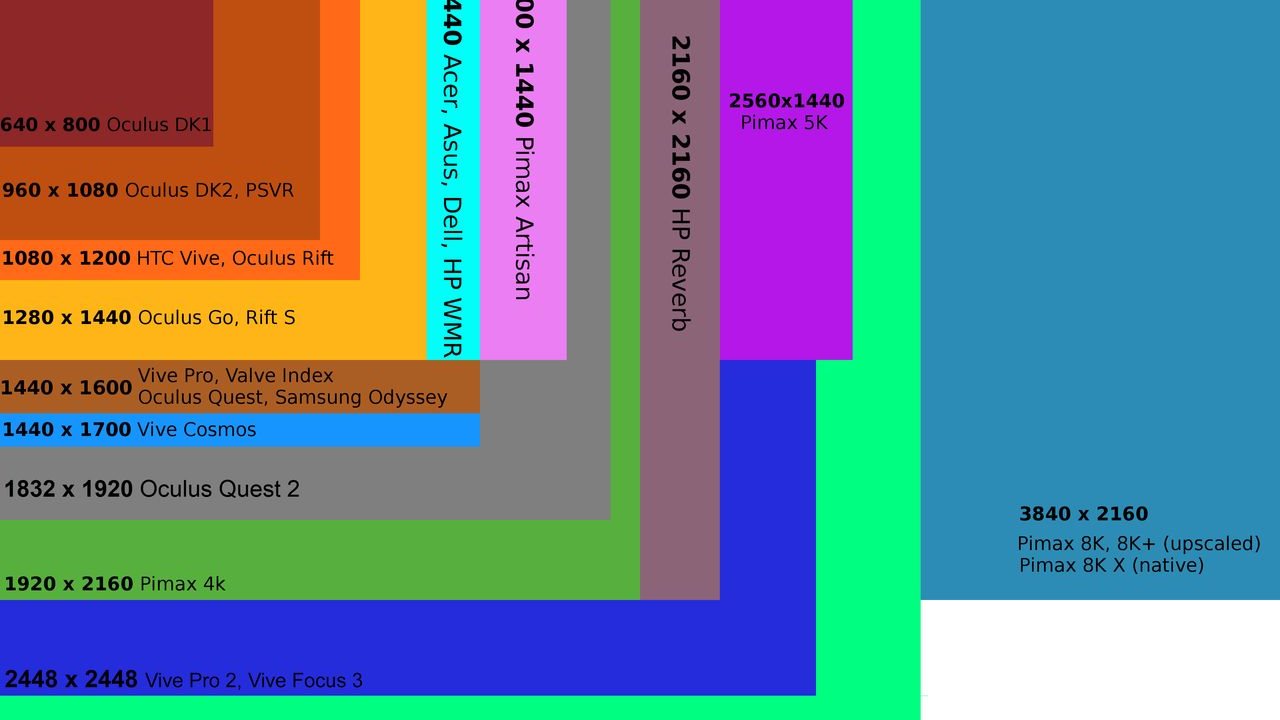
Meta's $499 Quest 4—roughly a quarter of Apple Vision Pro 2's $1,999—does more than sharpen a price war. It crystallizes a two-tier XR market: a high-margin, niche premium segment owned by Apple, and a volume layer Meta is racing to monetize through software, services, and now embedded AI. With Snapdragon XR3 silicon, dual 2,560-pixel panels, and passthrough fidelity that reviewers rate near Vision Pro levels, Meta has erased the quality gap that justified Apple's premium for most use cases.
The strategic pivot is Llama 5 Nano running locally on the headset. On-device inference cuts cloud dependency, latency, and per-query cost—turning the visual AI assistant from a demo into a daily-utility feature. This is the same playbook Apple, Google, and Qualcomm are pursuing across phones: the headset becomes another edge node for an ambient AI layer. For Meta, it deepens the moat by tying hardware adoption to its model ecosystem, raising switching costs for developers and enterprises alike.
Enterprise is where the price collapse matters most. At $499, MR moves from pilot-scale to fleet-scale deployment in manufacturing, logistics, construction, and field-service training. Systems integrators and solution vendors gain a credible volume platform, while Sony's PlayStation VR2 ($549.99) is now boxed into a console-tethered gaming niche. The real risk for buyers is platform lock-in: standardizing on Horizon OS and Llama tooling deepens dependence on a single vendor whose enterprise commitment has historically been uneven.
The component supply chain is the under-discussed winner. XR3-based volume devices expand demand for optics, image sensors, and passive components, benefiting suppliers like Murata, TDK, AAC, and Largan regardless of which brand ships. Investors should track headset BOM share and design wins rather than the consumer brand narrative.
Recommended actions: enterprise buyers should pressure-test Quest 4 volume licensing and MDM support before committing fleets, and architect a hybrid strategy—Quest 4 for cost-efficient scale, Vision Pro for precision-critical workflows. Developers should prototype against Llama 5 Nano's on-device APIs now, since AI-native MR apps will define the next adoption wave. Component investors should position around the volume-tier supply chain, the most durable beneficiary of this price reset.




