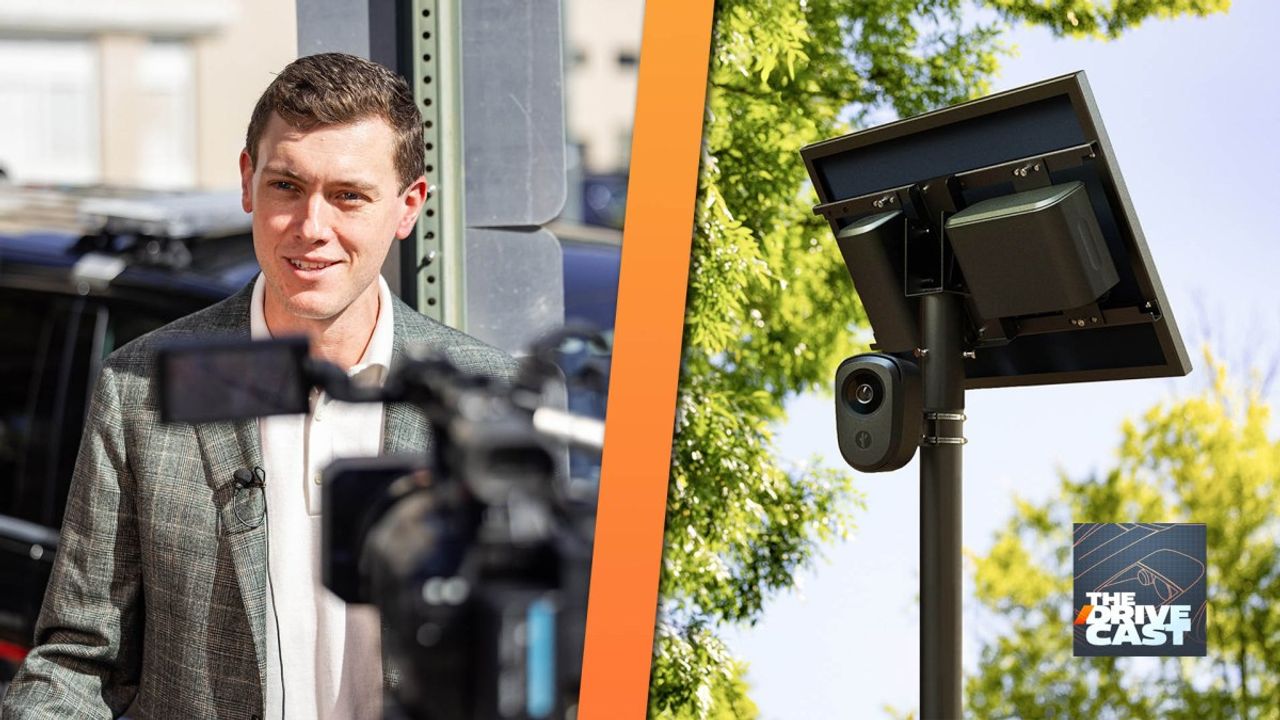
A US surveillance vendor whose automated license-plate cameras flagged an innocent driver for a police stop now faces public scrutiny over false positives, with its CEO conceding the error was not the first.
The strategic story here is not one bad stop. It is that automated identification systems are being deployed into consequential public-safety workflows faster than the accountability infrastructure around them can mature. Flock Safety has blanketed thousands of American jurisdictions with plate readers, and similar networks are expanding across the UK, the Gulf, and Latin America. The recurring failure pattern is the same everywhere: a probabilistic match is treated by a human operator as a deterministic fact. When that operator carries a firearm, the cost of a false positive is not a refund. It is a wrongful detention, a lawsuit, and a headline.
For executives building or buying this class of technology, the exposure is shifting from reputational to financial and legal. Expect three vectors: civil-rights litigation naming vendors alongside police departments, procurement rules that mandate audited error rates and human-review protocols, and insurance carriers pricing algorithmic-harm risk into coverage. Clearview AI's regulatory beating in Europe and the wave of US facial-recognition bans are the template. Flock, Motorola Solutions, Genetec, and Axon should assume that "the customer configured it" will not hold as a liability shield once courts weigh in.
The opportunity sits with vendors who treat governance as a feature rather than a compliance tax. Systems that surface confidence scores, log every human override, enforce match-confirmation steps, and publish independent audit data will win risk-averse public buyers. This mirrors how explainability became a purchasing criterion in enterprise AI. The moat is no longer detection accuracy alone; it is defensibility under legal discovery.
Recommended actions: buyers should demand contractual error-rate disclosure and indemnification terms before renewal. Vendors should ship audit trails and mandatory human-verification gates now, ahead of regulation. Investors should discount surveillance-tech multiples that assume frictionless expansion. The regulatory reckoning that hit facial recognition is arriving for automated plate and object recognition, and the companies that price it in early will absorb the shock others will not.




