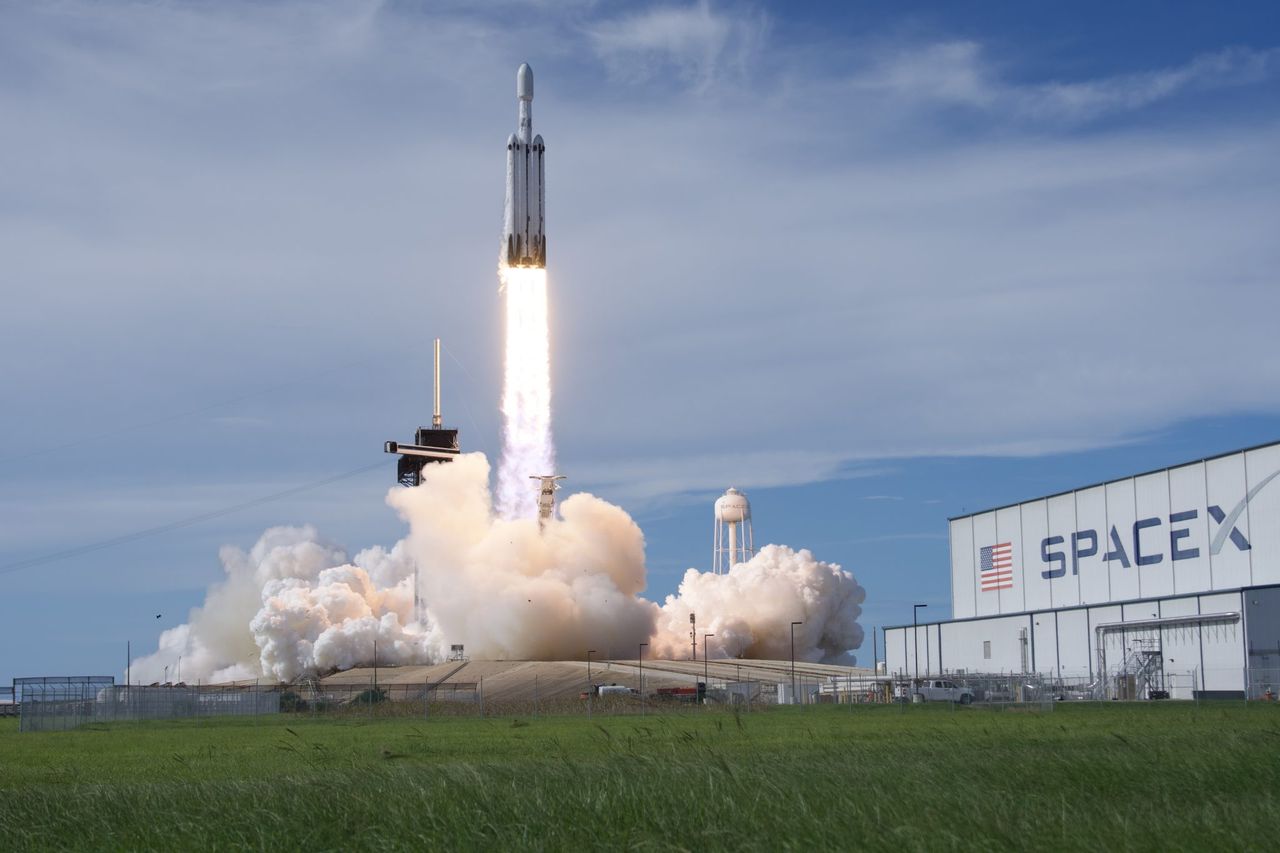
SpaceX has informed NASA it intends to launch Starship roughly every eight days from Kennedy Space Center, a tempo the spaceport's current infrastructure cannot absorb. The friction here is the real story for anyone tracking the commercialization of orbit.
For most of the space age, the binding constraint was the rocket itself—reliability, cost per kilogram, reusability. SpaceX has effectively solved cadence on the vehicle side. The new bottleneck is everything around the pad: water deluge systems, propellant logistics, range safety windows, environmental review, and shared use of a federal facility that was never architected for industrial throughput. When the launch vehicle is no longer the limiting factor, ground infrastructure becomes the strategic chokepoint, and that shifts where capital and policy attention must flow.
The global implications are underappreciated. A super-heavy launch every eight days implies hundreds of tonnes to orbit annually from a single site, reshaping economics for satellite constellations, in-space manufacturing, and lunar logistics. Competitors—Blue Origin, Rocket Lab, Europe's ArianeGroup, and emerging Asian players—will find that matching SpaceX's vehicle is insufficient if they cannot secure comparable spaceport capacity. Expect spaceport access to become a contested asset class, with private launch sites, offshore platforms, and international ranges (Australia, the Middle East, French Guiana) gaining strategic value.
There is also a regulatory collision coming. Environmental assessments, noise and wetlands rules, and the FAA's licensing throughput were calibrated for an era of episodic launches, not industrial cadence. Policymakers face a choice: streamline review to enable scale, or watch launch demand migrate to friendlier jurisdictions. For investors, the read-through is to look downstream of the rocket—pad construction, cryogenic logistics, range automation, and debris management are where durable, less-hyped returns will accrue.
Executives building space-dependent businesses—telecom, earth observation, defense—should stress-test supply assumptions against ground-segment limits, not just launch-vehicle promises. Secure manifest slots and infrastructure partnerships now; the scarcity is shifting from rockets to the concrete and steel beneath them.




