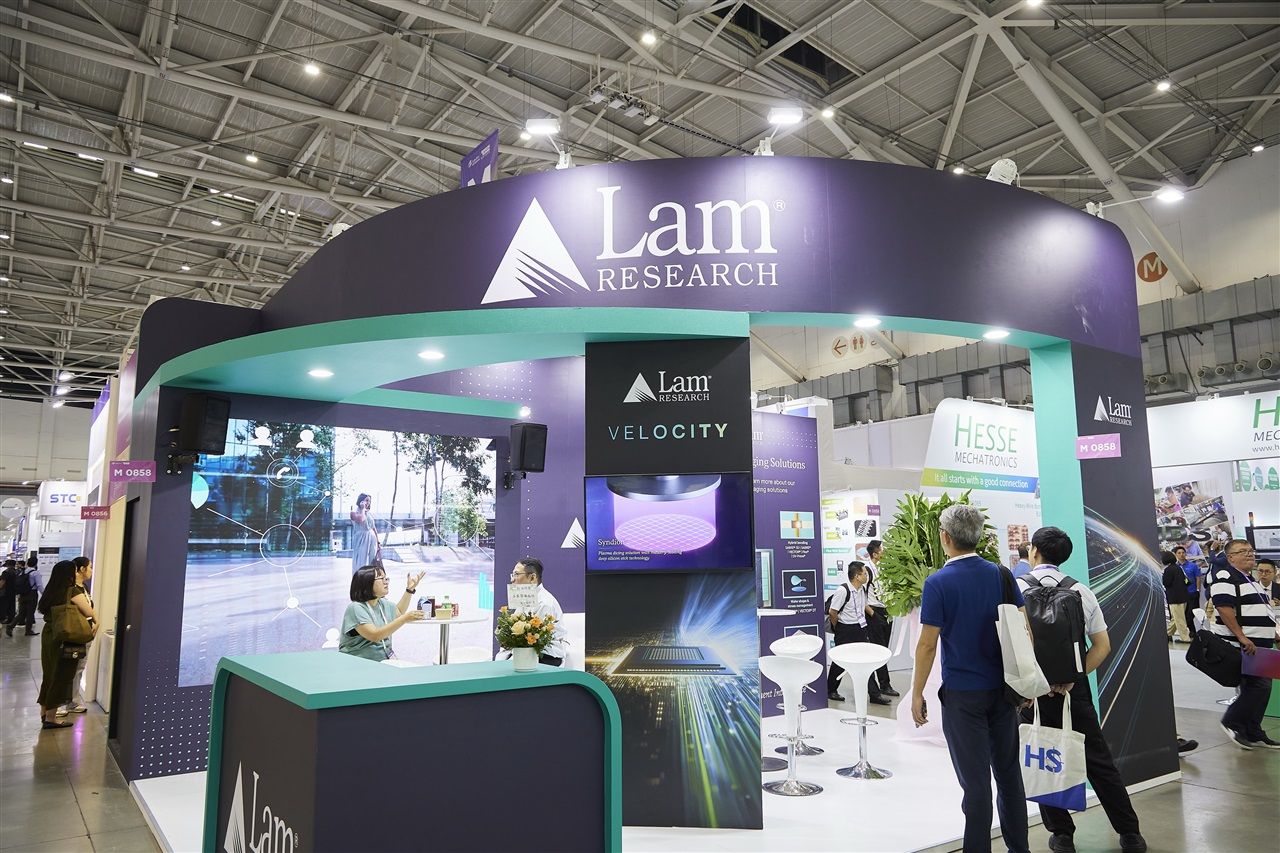
Lam Research is pairing its first country-specific semiconductor venture fund with a manufacturing milestone in South Korea, having shipped its 15,000th locally built processing chamber. The structure matters more than the dollars: a tool vendor is no longer just selling equipment, it is funding the ecosystem that will consume it.
Globally, this signals a strategic shift in how capital-equipment makers defend their position. In a world of export controls, regional subsidy wars, and reshored fabs, physical presence plus local venture capital is a geopolitical hedge. By planting a fund in a strategic chipmaking hub, Lam buys early visibility into next-generation process requirements, a pipeline to local talent and startups, and political goodwill that makes it harder to displace. Expect peers to follow. The competitive battleground for toolmakers is drifting from raw performance toward depth of ecosystem entanglement, where the vendor most embedded in a region's innovation base wins the long cycle.
There is also a sharper read: venture arms double as intelligence networks. A fund gives Lam a structured window into where device makers are heading before purchase orders arrive, letting it shape roadmaps rather than react to them. That optionality is the real asset.
For Japan, the contrast is instructive. The country is pouring public money into a chip revival spanning advanced-node ambitions and inbound foundry capacity, yet the heavy lifting has leaned on subsidies and plant construction more than on vendor-led ecosystem capital of this kind. Japan already hosts globally significant equipment and materials players, which means the localization-plus-capital model Lam is testing in Korea is one domestic firms could run at home, binding fabs, startups, and toolmakers into a tighter loop. The risk is passivity: if Japanese device makers simply absorb foreign vendor capital without reciprocal strategy, they cede roadmap influence.
For SIers and local engineering teams, the near-term opportunity is operational. Fab buildouts and new tool fleets generate sustained demand for process-control software, equipment integration, data pipelines, and factory-automation work. The firms that convert that into durable platform relationships, not one-off projects, will capture the margin. Executives should watch whether equipment-linked venture capital reaches Japan next, and position to be inside that loop rather than downstream of it.




