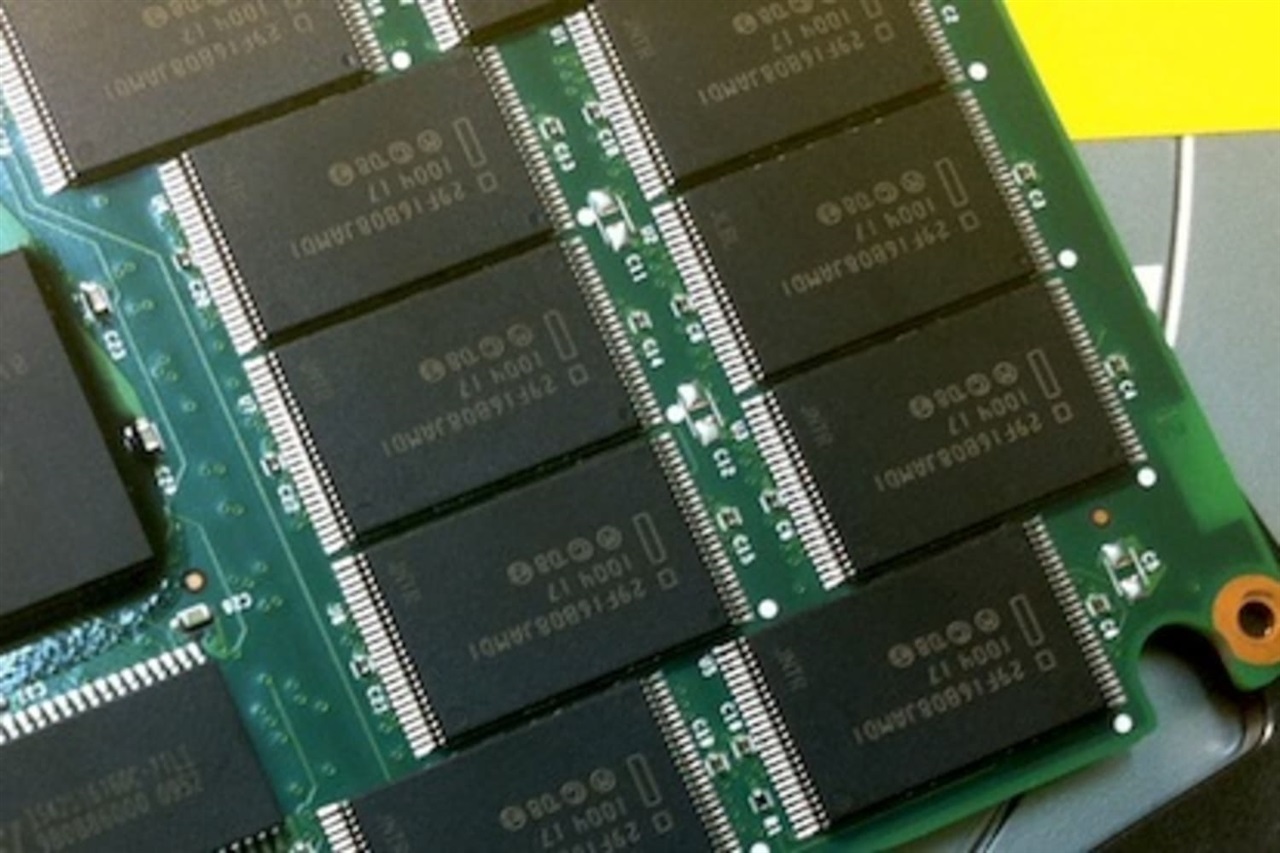
Inference, not training, is quietly rewriting the memory hierarchy. Every long-context conversation and multi-step agent run holds a growing key-value cache in memory, and that footprint scales with context length, concurrency, and the number of agents acting in parallel. With DRAM and HBM supply tight and priced for accelerators, operators are pushing the overflow down a tier, and fast data-center SSDs are becoming the release valve. The design brief splitting into capacity, latency, and endurance reflects a real workload: inference reads cache far more than it writes, favors predictable tail latency, and punishes drives with uneven garbage collection.
The counterweight is timing. UBS's warning that AI data-center construction delays could open an 'air gap' in chip demand matters here because storage orders ride the same build schedule as compute. If racks slip two or three quarters, the KV-cache-driven SSD ramp slips with them, and suppliers who added capacity against aggressive forecasts face a demand pocket. The structural signal is bullish for NAND; the near-term cadence is hostage to concrete, power interconnects, and GPU allocation that few component vendors control.
For Japan, this lands directly on Kioxia and the domestic NAND supply chain, which sit closer to the enterprise SSD opportunity than to the HBM race they largely missed. A durable shift of inference state onto flash favors players with endurance-focused controllers and QLC roadmaps, and gives Japanese fabs a cleaner demand story than commodity consumer NAND. The risk is the same air gap: capex committed now against a ramp that regulators, power grids, and hyperscaler timelines could defer.
For Japanese SIers and enterprise IT teams, the practical lesson is that AI cost models now have a storage tier most sizing exercises ignore. Teams scoping on-prem or sovereign inference should model KV cache growth as a first-class capacity line, not an afterthought, and design tiering that lets SSDs absorb context state when GPU memory is the binding constraint. Procurement built purely around GPU counts will misjudge both cost and latency. The firms that treat storage architecture as part of the AI stack, rather than a downstream purchase, will run agents cheaper than rivals who learn this during their first capacity crunch.




