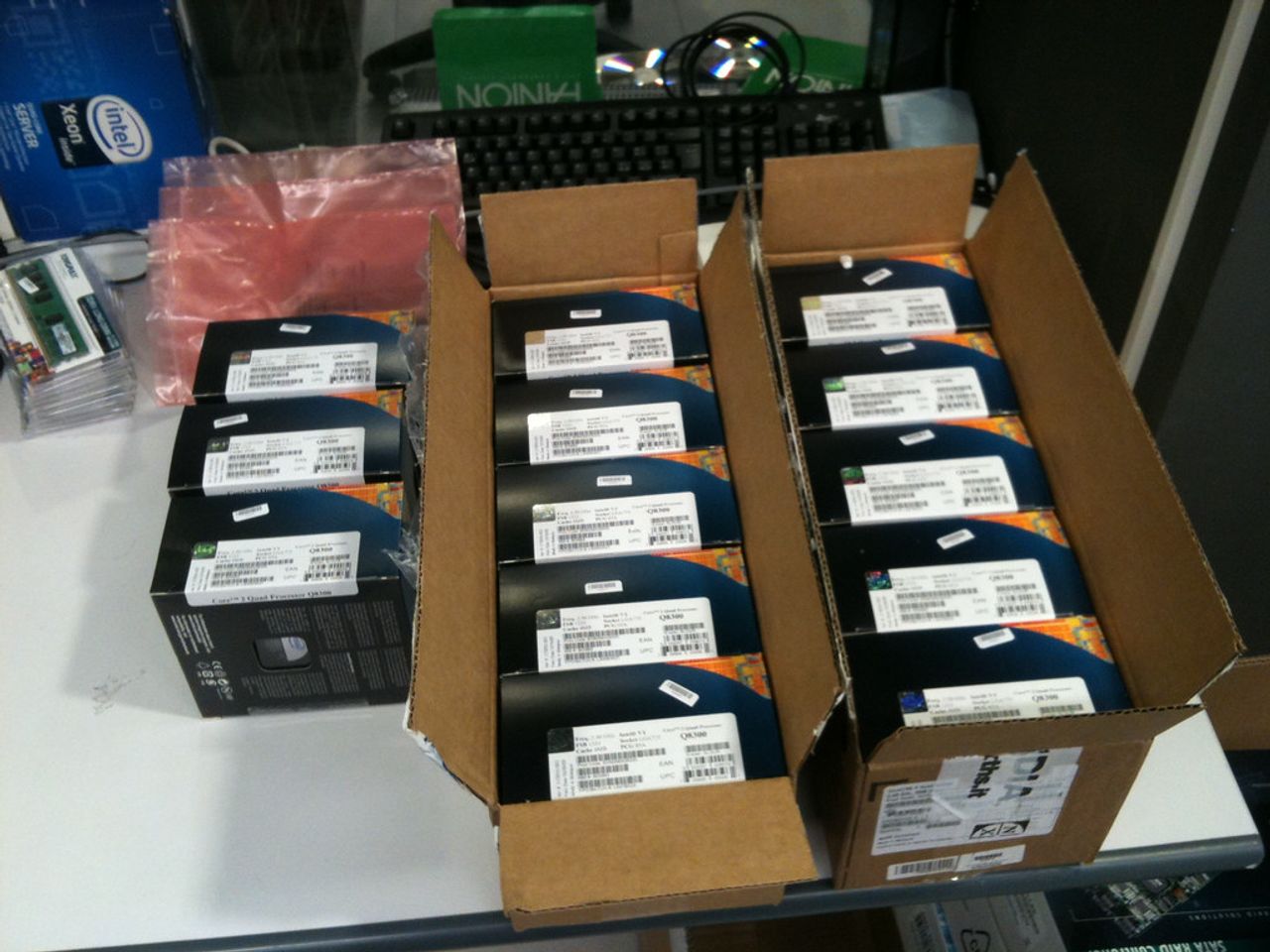
An explosion at Intel's Fab 28 in Israel forced a roughly two-week shutdown, with about $600 million in costs and server CPU disruption spanning two consecutive quarters.
The damage is less about the repair bill than the timing. Intel just posted its steepest stock decline in over four decades, pressured by a soft PC market and supply-chain strain, and this knocks out 10nm Xeon output precisely when it can least absorb the hit. Single-site concentration is the real lesson for buyers: a large share of a product family running through one fab means one incident reprices an entire procurement cycle. Expect Xeon lead times to stretch, spot pricing to firm, and hyperscalers, who have collectively committed trillions to AI buildout, to lean harder on alternatives and on securing allocation early. Every incremental Xeon delay nudges a marginal data-center socket toward AMD EPYC or Arm-based designs, and share won under a shortage is sticky once workloads are qualified.
For Japan, the exposure runs through the server refresh and data-center pipeline. Fujitsu, NEC, Hitachi, and the broader SIer layer still build much of their on-premise and government systems on Xeon, and many enterprise fiscal-year projects book delivery around the March close. A two-quarter supply dent collides directly with that window, raising the risk of slipped go-lives, repriced hardware bids, and margin pressure on fixed-price integration contracts where the SIer, not the client, eats component inflation.
The practical response for Japanese IT leaders is to treat server silicon as a planning variable, not a given. Lock allocation now for FY-end deployments, qualify EPYC or Arm options on workloads that allow it to avoid single-vendor dependence, and weigh cloud migration where on-prem hardware timing has become the binding constraint. For procurement and RPA-heavy back offices still refreshing physical infrastructure, build schedule buffers into any build that assumes near-term Xeon availability.
Strategically, the episode strengthens the case Japan has been making with Rapidus and its foundry ambitions: geographic and supplier diversification in leading-edge logic is no longer a policy abstraction but an operational hedge. One fab outage reshaping global server supply is the clearest argument yet for not routing a national compute roadmap through a single foreign site.




