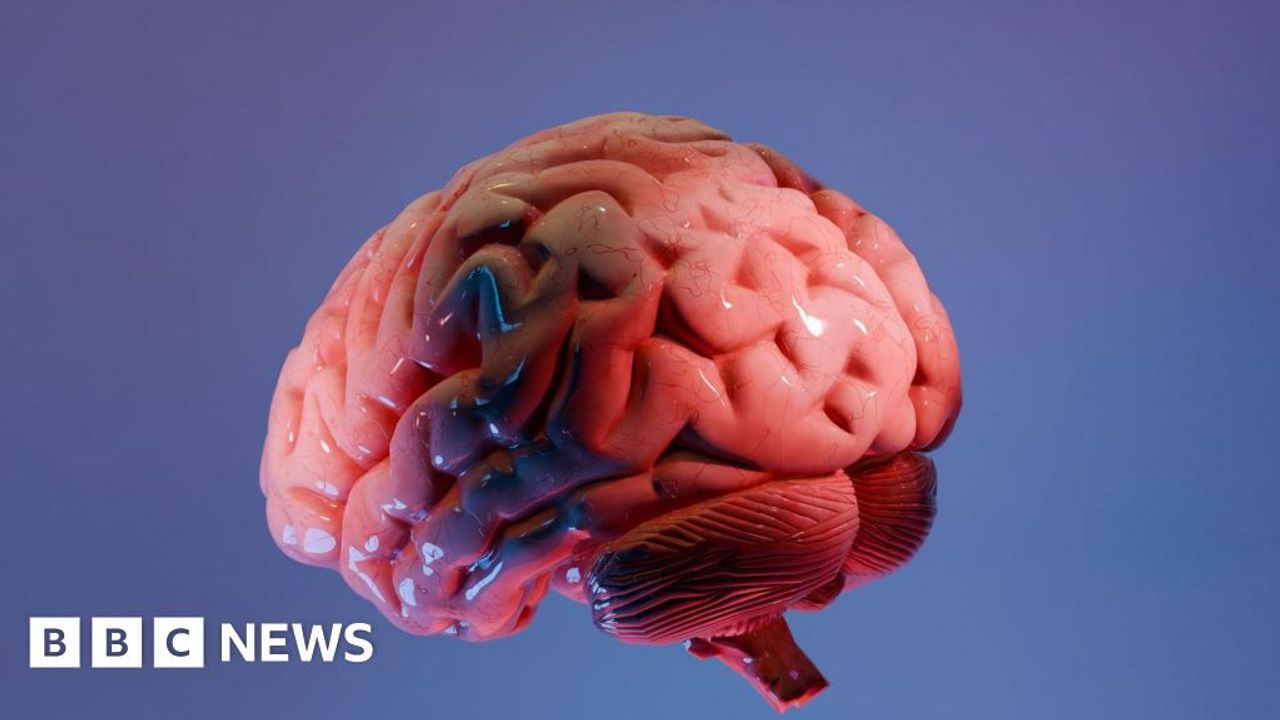
The most detailed 3D reconstruction of the human brainstem to date—a region controlling breathing, heartbeat, and consciousness—has been completed by Indian researchers, offering microscopic mapping of structures long considered a surgical no-go zone.
The strategic significance lies not in the biology but in the data asset. High-fidelity anatomical atlases are the training substrate for the next generation of surgical robotics and computational neuroscience. Companies like Medtronic, Stryker, and Zimmer Biomet building neuro-navigation systems, and BCI players such as Neuralink, Synchron, and Precision Neuroscience, depend on ground-truth spatial references. A validated brainstem map lowers the error tolerance for interventions in a region where a millimeter separates therapy from fatality—expanding the addressable market for procedures previously deemed inoperable.
For AI, the atlas feeds a broader trend: foundation models trained on structured biological data are becoming as valuable as clinical trial pipelines. Nvidia's Clara platform, Google DeepMind's biology efforts, and a wave of startups are competing to convert anatomical and molecular datasets into simulation engines. The party that controls high-resolution, ethically sourced human tissue data gains a durable moat—and India's growing role here reflects a strategic diversification of research inputs away from Western institutional monopolies.
The risk vector is governance. Human tissue data sits at the intersection of consent frameworks, cross-border data rules, and emerging biosecurity concerns. Executives should anticipate that anatomical and neural datasets will attract the same regulatory scrutiny now hitting AI training data—expect provenance requirements, sovereignty claims, and licensing friction.
Recommended actions: neurotech and medical-device firms should pursue early data-licensing partnerships with research institutions producing these atlases rather than assuming open access; investors should track which platforms integrate anatomical ground truth into surgical AI as a differentiation signal; and pharma R&D leaders should evaluate brainstem-targeted programs, historically underfunded due to imaging limits, as a newly viable frontier.