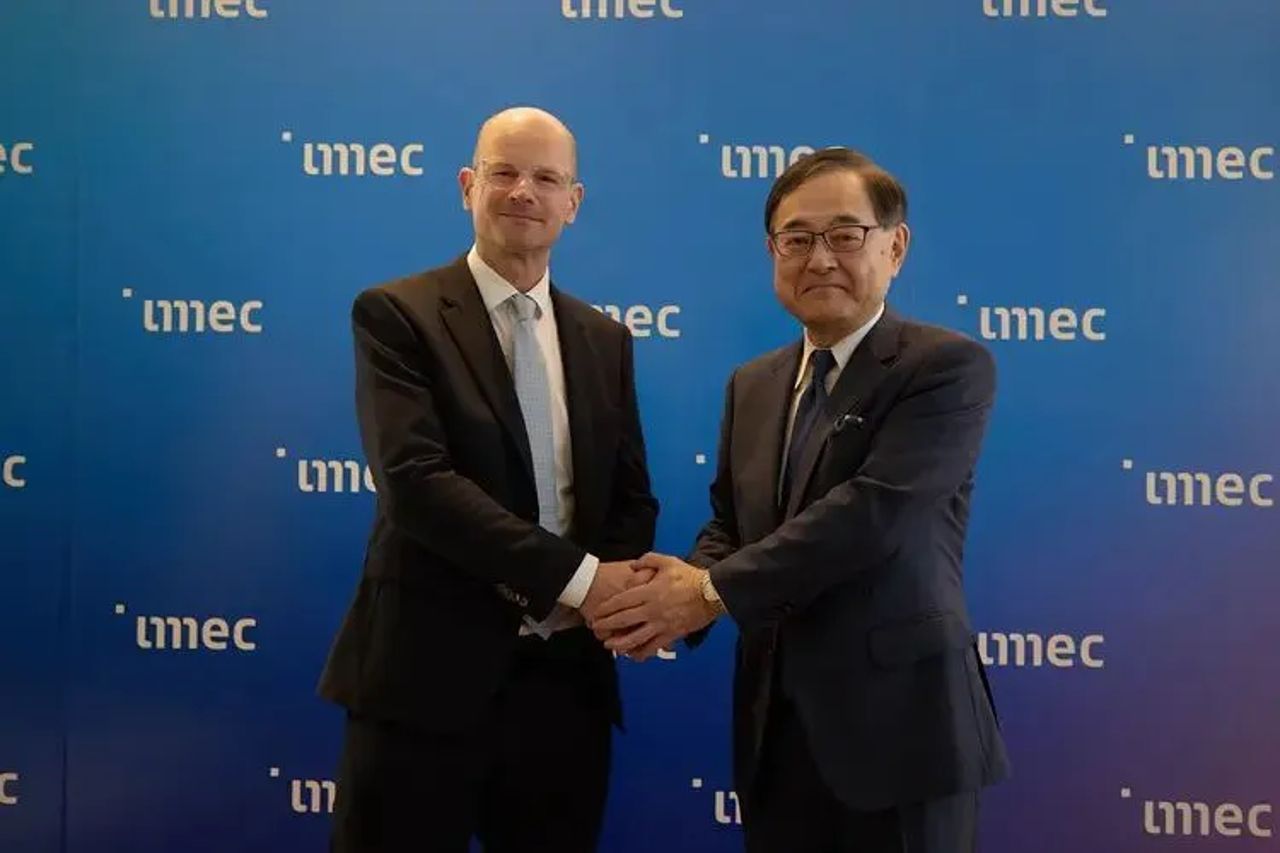
Imec is setting up a photonics R&D centre in Hokkaido with METI backing and LSTC collaboration. For global AI infrastructure, the opportunity is to move more data without a proportionate increase in power consumption. Where electricity access constrains expansion, getting more useful computation from an existing power budget becomes commercially valuable. Photonics may contribute to that efficiency, but it cannot remove grid-connection bottlenecks or substitute for electricity supply.
The commercial hurdle is turning an optical advantage into a dependable system. Packaging, thermal management, manufacturing yield and interoperability can absorb gains demonstrated in a laboratory. Buyers should judge total energy consumption and operating cost at the intended workload, including the electronics needed to control and connect optical components. For investors, a research location creates options; customer qualification and repeatable production are stronger indicators of commercial value.
For Japan, the strategic opening is to convert access to research into capabilities that domestic suppliers can sell globally. The centre could connect photonics development with packaging, materials and test expertise, provided collaboration produces usable designs and a credible route to manufacturing. The key questions for Japanese companies are who controls intellectual property, how partners obtain design access and who pays for qualification. A local R&D footprint alone does not establish a domestic supply chain.
Japanese SIers and enterprise development teams should treat this as a planning signal, not a procurement trigger. Their role is to identify workloads constrained by data movement, compare infrastructure configurations and assess whether optical links could improve application economics. Procurement should preserve flexibility until integration requirements, serviceability and delivery schedules are clear. Early commercial value is more likely to accrue to suppliers that bridge research and customer qualification; SIers benefit when those advances become infrastructure they can integrate and support.




