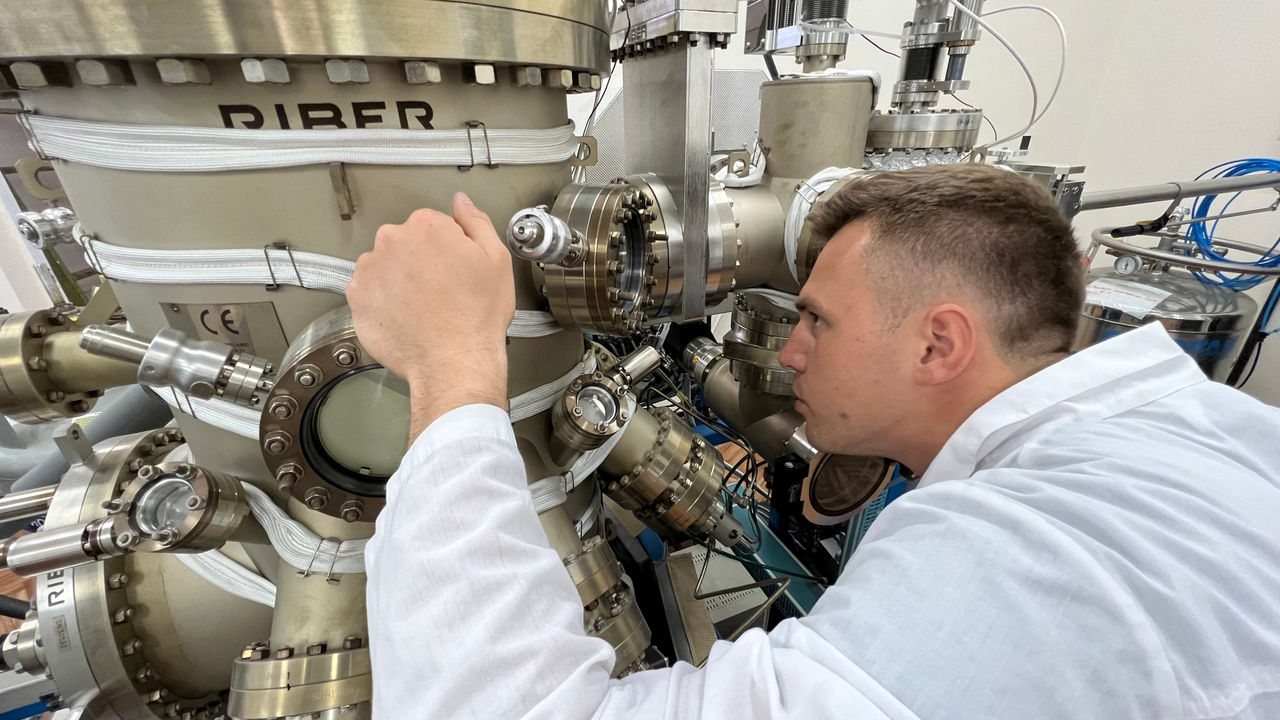
ASML's shift from pilot to volume shipment of its High-NA EUV platform is more than a tool launch—it resets the qualification bar for every layer of the lithography ecosystem. The same 13.5nm wavelength now operates at a higher numerical aperture, collapsing depth of focus by roughly two-thirds and demanding resist films thinner than 20nm with no loss in sensitivity or line-edge roughness. That physics, not marketing, is what reshuffles the supplier hierarchy.
The immediate beneficiaries are vendors already inside the leading-edge roadmaps at Intel (14A), TSMC (A14) and Samsung (SF1.4). But incumbency guarantees nothing. Today's 50–90% global share in resists, coaters, mask inspection and pellicles—held largely by a handful of Japanese and European specialists—does not transfer automatically to High-NA. Each node transition is a fresh qualification fight, and the capital intensity is punishing: a single tool exceeds €300M, forcing suppliers to lift capex and R&D simultaneously while protecting cash flow.
Three fault lines stand out. In photoresist, the contest between organic chemistries and metal-oxide approaches (where JSR-backed Inpria has an early lead) will be settled commercially around 2026—a binary outcome for the losers. In mask-blank inspection, the near-monopoly held by Lasertech is exposed if its next-generation High-NA tools slip, inviting new entrants. In pellicles, thermal-load tolerance becomes existential; suppliers unable to win volume certification face outright exit as Belgian and Korean rivals press.
For executives and investors, the strategic moves are clear. First, suppliers should abandon solo R&D and lock joint-development agreements with foundries now, because qualification cycles outlast product cycles. Second, expect consolidation: mid-tier tool and materials firms without a credible High-NA path are M&A targets, and portfolios should price that in. Third, watch national test-beds—Rapidus's planned 2027 High-NA adoption offers a sandbox to accelerate certification outside the TSMC-Samsung-Intel triopoly.
The broader signal is that lithography's economics now concentrate value even further. ASML captures the platform rents; only the most precise, best-capitalized component makers retain pricing power. Everyone else becomes a supplier of legacy-node parts—still profitable, but structurally excluded from the 1.4nm frontier where the margins and the future demand actually live.




