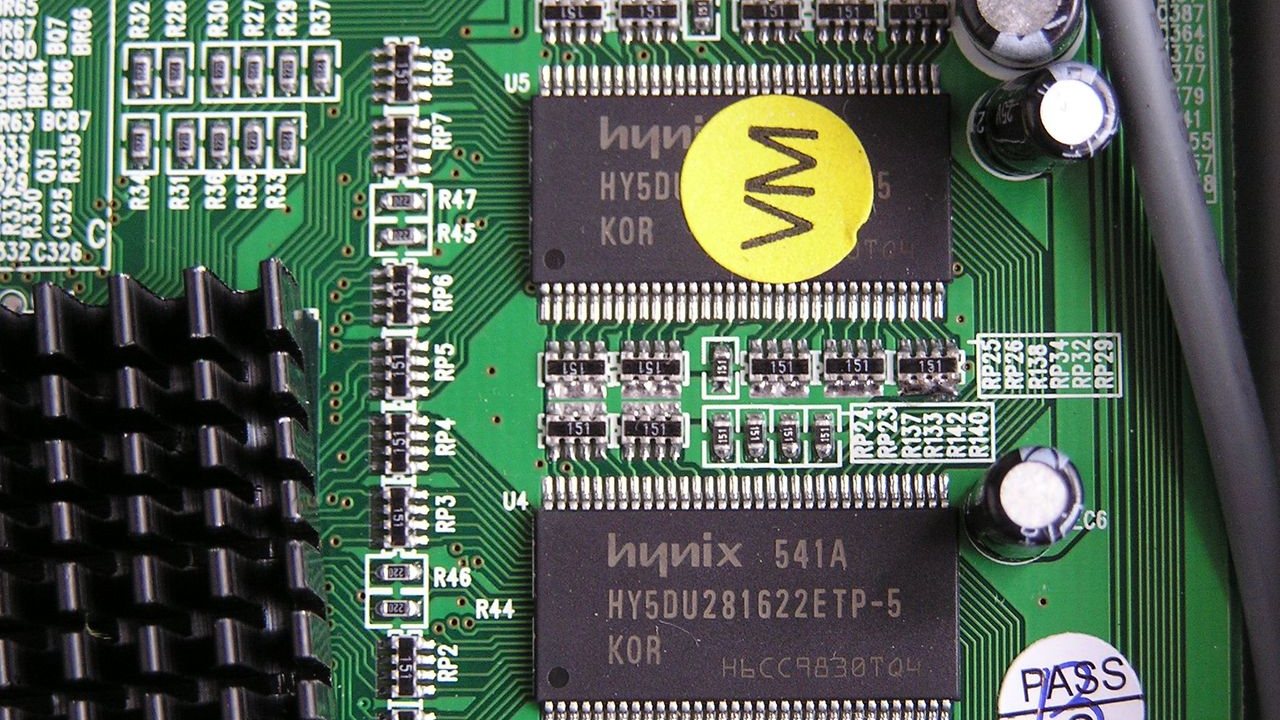
The memory business has crossed a structural threshold. SK Hynix's reported operating margin near 72% exceeds anything seen at prior DRAM cycle peaks, and that gap is not commodity volatility—it is structural rent earned by embedding into Nvidia's AI accelerator stack. HBM is no longer a niche DRAM variant; it is the gating resource for AI compute, and the firms that bet capacity on it are capturing margins their diversified rivals cannot match.
This bifurcates the industry into two classes. On one side sit the HBM oligopolists—SK Hynix, Samsung racing to scale HBM4, and Micron—plus China's fast-rising CXMT, whose quarterly profit now rivals the country's most valuable consumer brands. On the other side sit everyone who buys memory: hyperscalers, sovereign AI projects, server OEMs, and smartphone makers, all facing contract DRAM prices forecast to rise roughly 60% quarter-over-quarter into 2026. For cloud operators and AI data-center builders, HBM has become the single most dangerous line item in the capex model.
The strategic exposure is asymmetric by geography. Markets that exited DRAM manufacturing—much of Japan, Europe, and most of the US outside Micron—now depend entirely on a Korean-American-Chinese supply triangle for the memory that defines AI competitiveness. GPU-plus-HBM bundled procurement means a shortage in either component stalls entire buildouts. Any enterprise or government betting on domestic AI infrastructure without a locked supply agreement is exposed to both price and allocation risk.
The counter-opportunity lies upstream. HBM's manufacturing intensity flows through a narrow set of equipment and materials suppliers—deposition and etch tools, advanced wafers, photoresists, CMP slurries, and the TSV and hybrid-bonding back-end where dicing, test, and substrate materials decide yield. With four memory camps expanding capacity simultaneously, this is the largest demand cycle these suppliers have ever faced. Investors should weight the picks-and-shovels layer over the volatile memory makers themselves.
Recommended actions: AI infrastructure buyers should sign multi-year HBM contracts now, with price caps written into the terms before the squeeze deepens. Equipment and materials vendors should treat CXMT and Chinese demand as a third revenue pillar within export-control limits, not merely a geopolitical hazard. And policymakers should anticipate that Korea's 'national dividend' debate over AI windfall profits is a leading indicator—excess-profit taxation on strategic chips will become a core industrial-policy battleground over the next five years.




