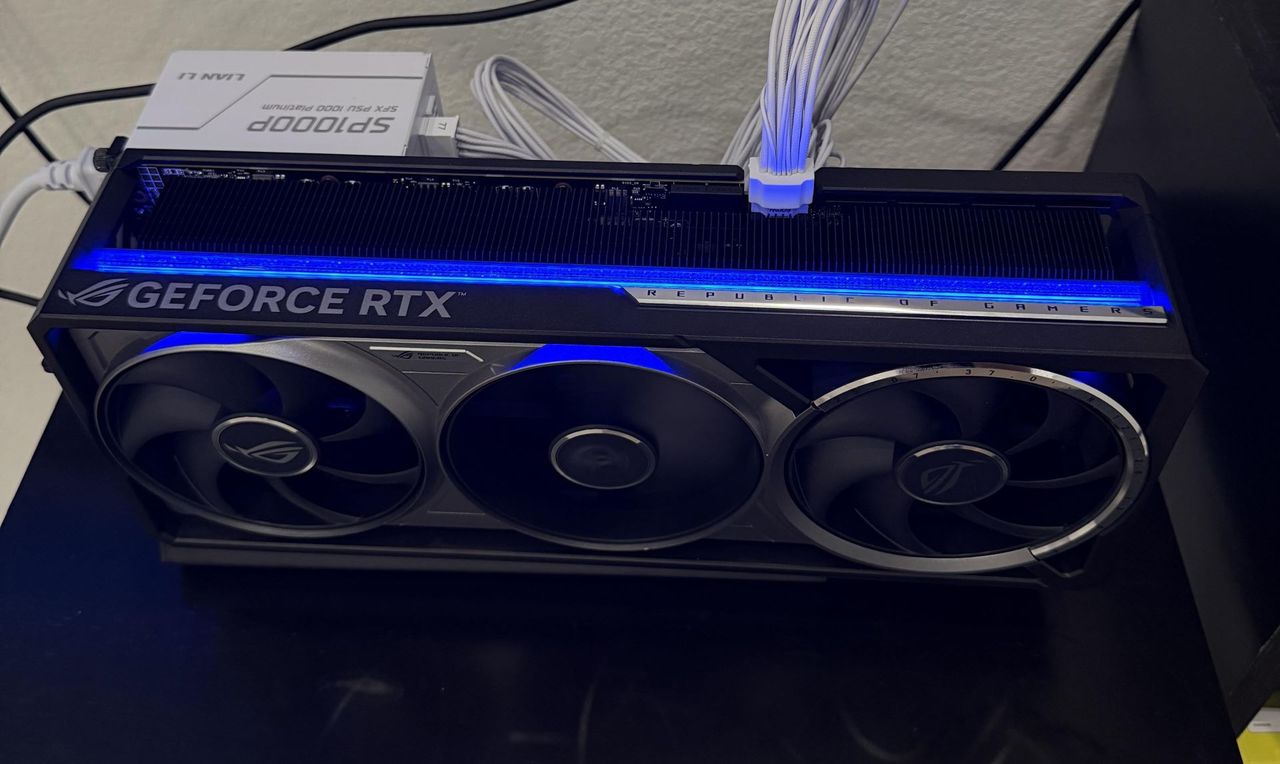
A single data point drives the story: ASUS repaired a customer's ROG Astral RTX 5090 with faulty fans instead of issuing the refund that has become the default response to warranty claims on scarce flagship cards.
The global signal matters more than the anecdote. When demand outstrips supply, a refund quietly converts a warranty obligation into a cheaper exit for the vendor. The buyer gets money back but loses the hardware, then re-enters a market where the same card is either unavailable or priced higher than what they paid. For consumers that is an annoyance. For organizations running compute-heavy workloads, it turns a component failure into a capacity outage with no fast remedy. Repair-over-refund is the behavior that preserves installed capacity, and it is increasingly the exception rather than the norm across high-end GPUs, premium SSDs, and DDR5.
This reframes how buyers should evaluate vendors. List price and benchmark numbers are easy to compare; post-sale conduct is not, yet it now carries real operational weight. A board partner that honors repairs keeps a workstation in service; one that refunds leaves a team hunting for replacement stock on the open market at whatever price scarcity dictates. Service-level reality, not spec sheets, is where the hidden cost sits.
For Japanese buyers the exposure is sharper. Teams building on-premise AI and rendering workstations around cards like the RTX 5090 face import-dependent supply, a weak yen inflating replacement costs, and distributor channels where RMA resolution can be slow and opaque. A refund in this context is close to useless: the same card may be scarce or markedly more expensive by the time funds arrive, stalling projects that were provisioned months in advance.
SIers and procurement teams should treat this as a contracting problem, not a hardware one. Where mission-critical compute depends on flagship consumer GPUs, build repair-or-replace guarantees, advance-replacement terms, and documented RMA turnaround into supplier agreements rather than relying on standard warranties. For workloads that cannot tolerate supply gaps, the professional-grade and vendor-backed workstation tiers, despite higher sticker prices, may prove cheaper once the risk of being refunded out of scarce capacity is priced in.




