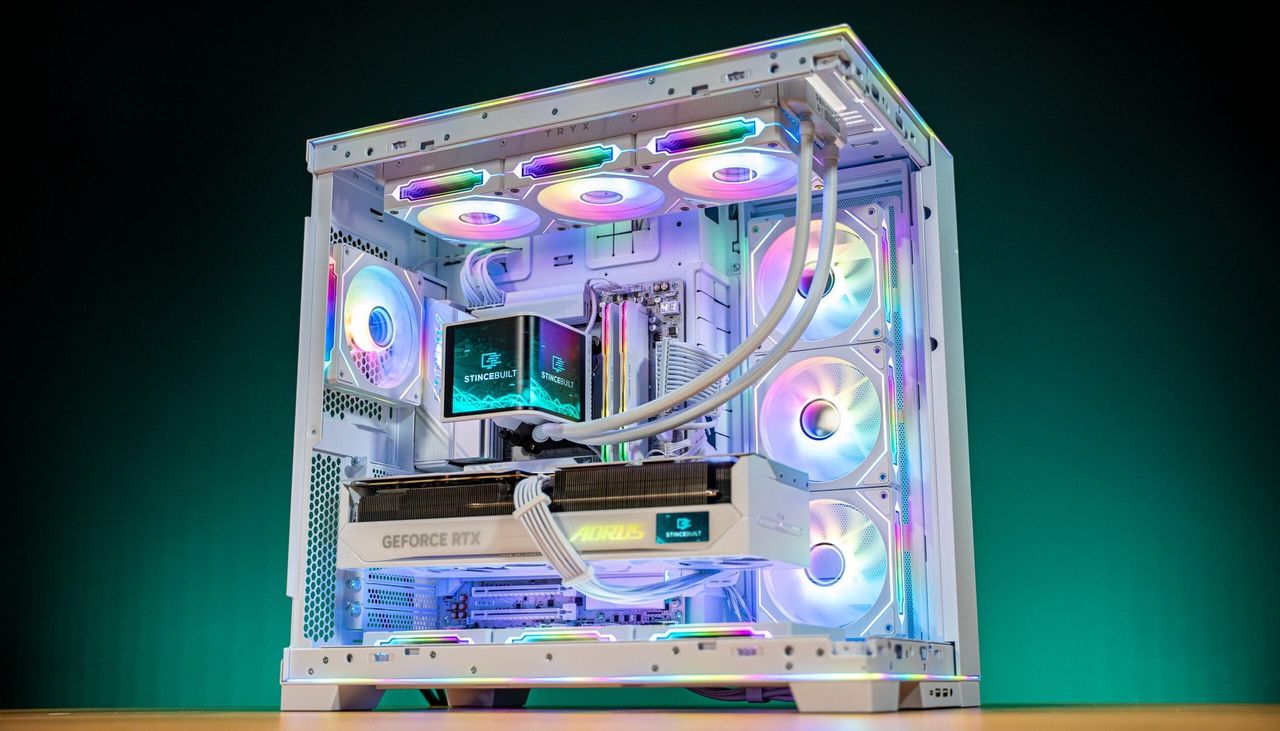
A US system integrator warns that GPU prices will keep climbing as supply tightens and memory availability deteriorates further. That is the surface fact. The deeper story is a structural inversion of how hardware costs behave.
For most of the PC era, component prices fell predictably year over year, and buyers planned refresh cycles around that assumption. The current crunch breaks that mental model. When memory, SSDs, and GPUs all rise simultaneously, the problem is no longer one scarce part you can design around. It is systemic cost inflation across the entire bill of materials. The root cause is capital allocation: foundry and memory capacity is being steered toward AI accelerator demand and high-margin HBM, starving the commodity segments that enterprise workstations, servers, and consumer PCs depend on. This is a deliberate margin decision by suppliers, not a temporary logistics hiccup, which is why it has persisted for roughly a year rather than resolving in a quarter.
The global implication is a widening gap between organizations that locked in capacity early and those now buying at spot prices. Hyperscalers absorb this through scale and long-term contracts. Mid-market firms and integrators do not. Expect longer hardware lifecycles, delayed refresh projects, and renewed pressure to shift compute to cloud consumption models where someone else carries the inventory risk.
For Japan, the exposure is acute. The yen's weakness amplifies every dollar-denominated price hike, so Japanese buyers feel the surge harder than their US peers. SIers that build and resell on-premise infrastructure face a margin trap: many operate on fixed-price, multi-year system contracts where hardware cost increases cannot easily be passed to the client. A deal priced last year on assumed component costs can turn unprofitable at delivery. Procurement-heavy integrators should revisit contract clauses around hardware pass-through and consider decoupling hardware from service pricing.
For Japanese enterprises and development teams, the practical move is to accelerate the shift from capital hardware purchases toward managed cloud and consumption pricing, and to treat GPU capacity as a scheduled, shared resource rather than something each team provisions locally. RPA and automation vendors reliant on edge or on-premise servers should audit their hardware dependencies now, because the firms that renegotiate supply terms and redesign deployment architecture early will protect their margins through what looks to be an extended squeeze.




