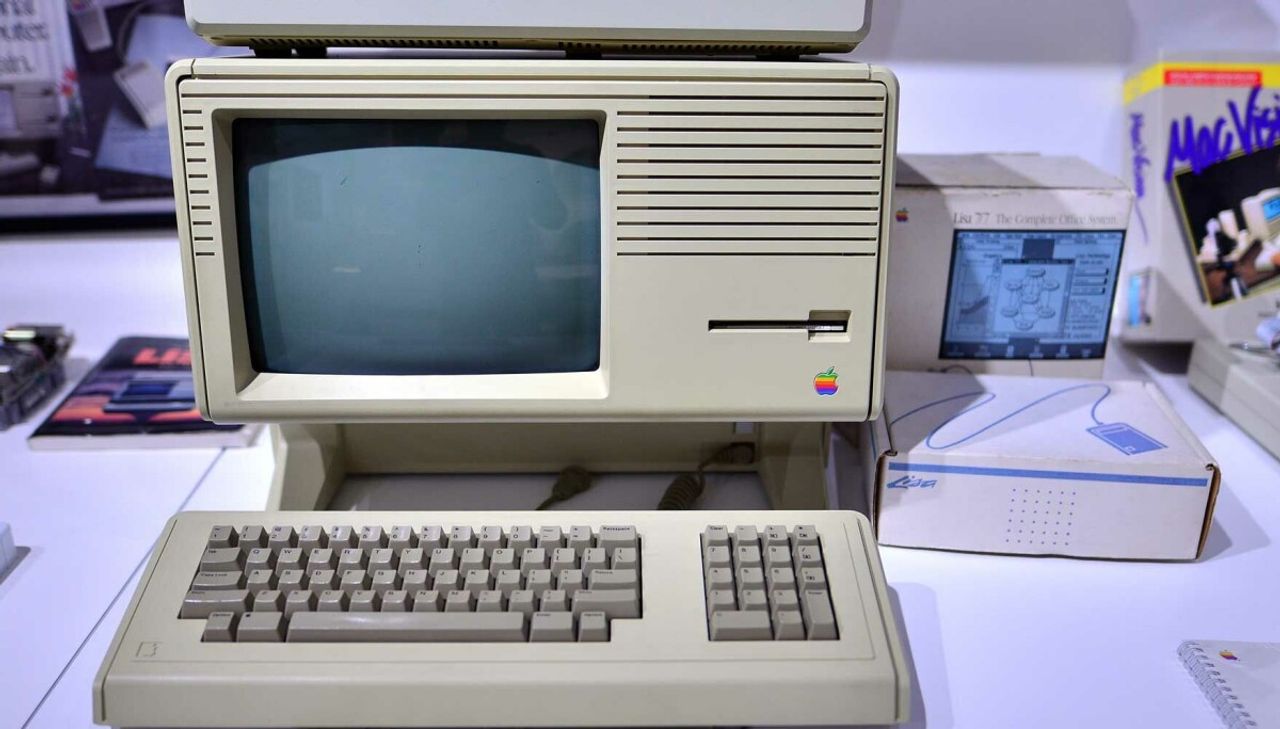
A community project has recreated the logic of Apple's Lisa, the 1983 commercial flop that pioneered the graphical desktop, using field-programmable gate arrays at a fraction of the cost of hunting down original chips. The story is niche, but the mechanism behind it points at a structural shift executives should track.
The strategic signal is that FPGAs are quietly becoming the default substitute for silicon that no longer exists. When a part goes end-of-life, teams increasingly reimplement its behavior in reconfigurable logic rather than scour brokers for counterfeit-prone stock. That capability matters far beyond hobbyists: aerospace, defense, industrial automation, and medical device makers all operate hardware with 20-to-40-year service lives against components that vanish from fabs in under a decade. FPGA-based re-hosting is now a legitimate obsolescence-management line item, and the vintage-computing scene is effectively free R&D proving out the workflow.
The commercial implication favors the programmable-logic incumbents. AMD (Xilinx) and Intel (Altera, now spun toward independence) dominate the high end, while Lattice, Microchip, and newer entrants like Efinix chase low-cost, low-power designs where a single-board Lisa clone lives. As emulation-on-FPGA moves from enthusiast forums into regulated industries, demand skews toward cheap, well-documented parts with open toolchains. Vendors clinging to proprietary, license-gated development environments will cede ground to ecosystems that make recreation frictionless.
There is an IP dimension leaders should not ignore. Recreating decades-old logic sits in a gray zone: expired patents, but potentially live trademarks, ROMs, and copyrighted microcode. Companies sitting on legacy silicon portfolios face a choice between litigation posture and controlled open-sourcing that seeds goodwill and standardization. The right move for most is to release documentation for truly dead product lines while ring-fencing anything still shipping.
Recommended actions: hardware-dependent firms should audit which critical components are single-sourced or near end-of-life and pilot FPGA re-hosting now, before a supply shock forces a rushed port. Investors should watch open toolchain adoption as a leading indicator of which FPGA vendors capture the long-tail obsolescence market. And any organization with a deep silicon archive should treat digital preservation as risk management, not nostalgia.




