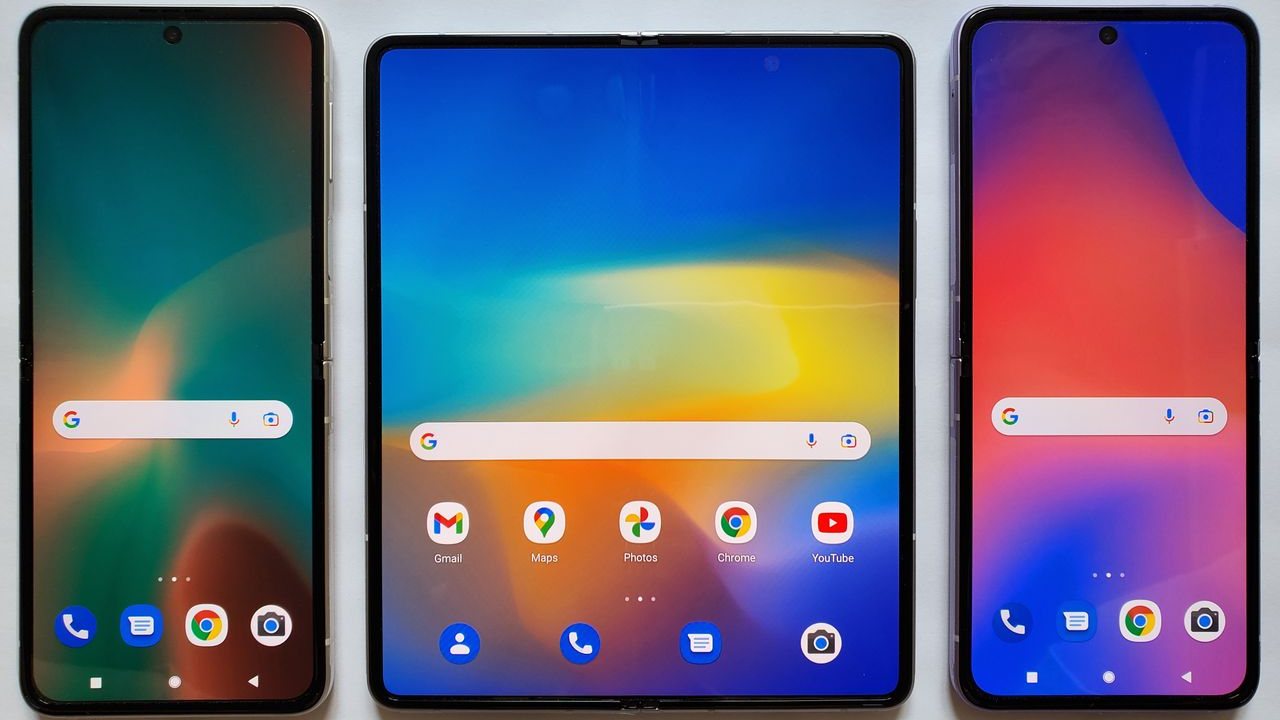
Samsung's latest foldable—8.9mm folded, Snapdragon-class silicon, priced near $1,900—matters less for its specs than for what it proves: the form factor's defining weakness, bulk, is effectively gone. At a thickness rivaling conventional flagship bars, the foldable is no longer a gadget for early adopters. It is becoming the default shape of premium phones, and that transition is arriving faster than most roadmaps assumed.
The strategic fault line runs three layers deep. At the OEM layer, the most exposed players are the premium brands that have watched from the sidelines—Sony's Xperia and Sharp's AQUOS lines among them. By treating foldables as a cost-versus-volume trade-off they could defer, these firms now risk something harder to recover: high-end brand relevance itself. Once Samsung, Huawei, OPPO and Honor normalize the thin foldable, a bar-only premium lineup reads as legacy. The pragmatic move is to abandon go-it-alone development and source panels from BOE or similar to re-enter quickly, even at thinner margins—presence beats purity here.
The carrier and distribution layer faces a pricing squeeze. A $1,900 device collides with markets where subsidy caps and anti-lock-in rules limit discounting. The lever that actually moves units is the residual-value lease: raising buyback rates on two-year return programs lowers effective monthly cost without breaching subsidy limits. Operators that engineer attractive residual structures—and lean harder into enterprise and B2B channels where price sensitivity is lower—will capture the premium upgrade cycle others miss.
The clearest winners sit upstream. Thinning a folding device intensifies demand for ultra-thin MLCCs, compact motors, low-profile batteries and durable hinge mechanics rated for 200,000-plus cycles—precisely the high-tolerance precision zone where Chinese suppliers still struggle to match yield at quality. Murata, TDK, Nidec-class specialists and display-peripheral makers can lock in high-value positions by sharing thinning roadmaps early with Samsung and Chinese OEMs alike.
The window is narrow. With the adoption curve steepening, every layer—OEMs, carriers, suppliers—needs strategy locked within 12 to 18 months. Investors should favor component exposure over hesitant handset brands, and watch which premium OEMs commit to foldables in the next product cycle. Those that wait for the market to prove itself will be buying capacity at the top, not the bottom.




