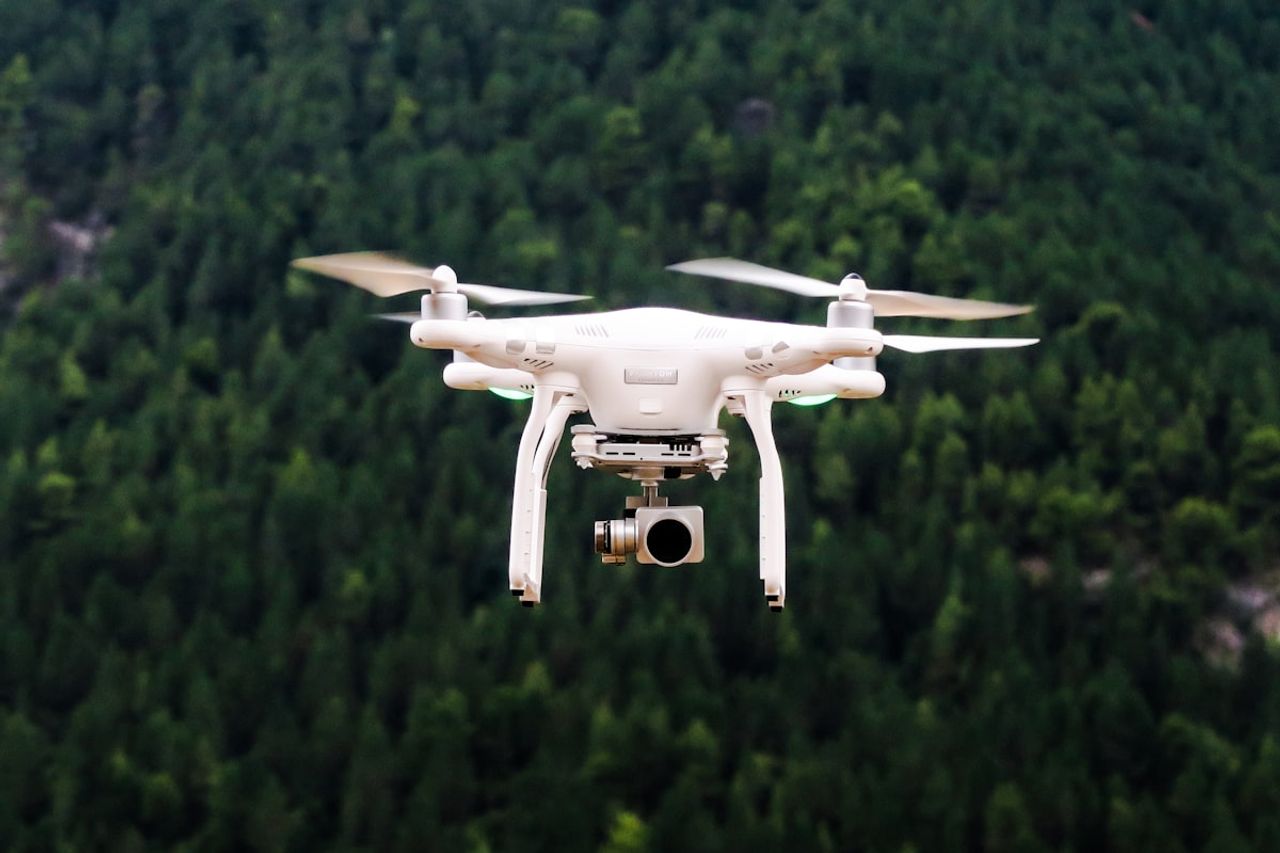
US regulators are widening their pursuit of DJI to the front companies—Xtra, Skyrover, SGS Lab and others—that repackage its drones and cameras to slip past import and procurement restrictions. The shift matters less for what it says about drones than for the enforcement pattern it establishes.
The strategic story is the move from list-based bans to behavioral enforcement. For years, export and procurement controls worked by naming entities; sophisticated actors simply spun up new brands faster than agencies could list them. The FCC now signaling it will chase the corporate re-badging itself marks a maturation of controls that Commerce, Treasury and DoD are pursuing in parallel. Expect the same playbook to migrate to other contested categories—lidar, batteries, connected cameras, network gear and eventually AI accelerators—where a hardware ban is only as strong as its resistance to laundering through intermediaries.
For global companies, the exposure is supply-chain provenance. Distributors, drone-service firms, agriculture and infrastructure inspection operators, and public-sector contractors that bought "non-DJI" hardware may discover they hold sanctioned tech under a new label. The compliance burden moves upstream: buyers can no longer rely on brand names and must trace bills of materials, radio modules and firmware lineage. Companies like Skydio, Parrot and Anduril stand to gain share, but the near-term winner is the audit and provenance-tooling market—hardware equivalents of software SBOMs.
The risk for DJI is structural. Losing FCC equipment authorization would cut its US wireless-device access entirely, a far heavier blow than procurement bans. That accelerates a bifurcated global drone market: Western-certified stacks versus Chinese-origin platforms dominant across Asia, Africa and Latin America, with incompatible regulatory and data regimes.
Recommended actions: treat brand-level compliance as insufficient and mandate component-origin disclosure from vendors; inventory existing fleets for relabeled hardware before enforcement forces write-downs; and for investors, weight Western drone and provenance-tech names while pricing in DJI's constrained US pathway. The broader signal—controls are becoming enforcement-driven, not list-driven—should reshape procurement diligence across every China-exposed hardware category.




