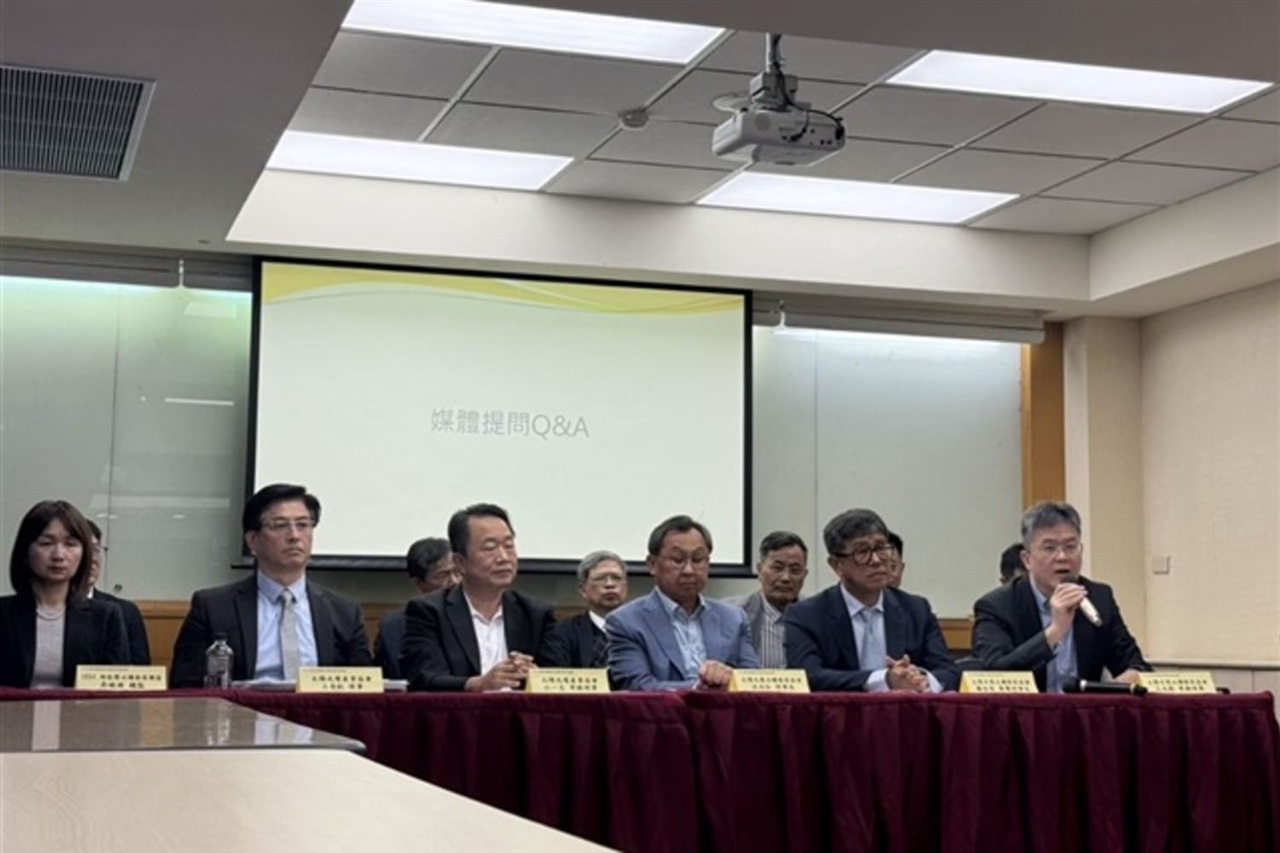
A Shenzhen developer day put NearLink short-range wireless, running on OpenHarmony and HiSilicon silicon, into metro gates and smart-traffic deployments. Read alongside the FCC's move to block gadgets containing blacklisted chips, it marks the point where US export policy and China's domestic stack are maturing in parallel.
The FCC shift matters because it pushes restriction down to the component level. Blocking a finished device is one control; refusing approval for any gadget that embeds a listed vendor's silicon forces hardware makers to audit bills of materials line by line and re-source modules they once treated as commodity. That turns a compliance footnote into a design-stage decision with months of lead time.
China's answer is visible in NearLink. A short-range protocol positioned against Bluetooth and UWB, paired with OpenHarmony as the OS and HiSilicon as the chip base, gives Chinese infrastructure buyers a connectivity layer that sits entirely outside US-controlled IP. Each metro and traffic rollout widens the installed base and lowers the switching cost for the next buyer. Over several years this erodes the leverage that component-level bans are meant to create, because the banned parts simply stop appearing in the target market.
For Japanese companies the practical problem is a forked product line. Electronics, automotive, and factory-automation vendors that ship to both the US and China now face divergent certification regimes: devices for the US must be silicon-auditable, while devices for China increasingly need to interoperate with NearLink and OpenHarmony. Japanese component and module makers that supply wireless and connectivity parts will be asked to prove provenance for one market and support a separate protocol stack for the other.
Japanese SIers and development teams should treat connectivity and silicon sourcing as an architectural variable, not a procurement detail. Projects touching public infrastructure, mobility, or industrial IoT need a documented position on which stack they target and how they isolate region-specific firmware. RPA and integration teams that assumed a single global SKU will carry the cost of maintaining two, and the firms that map this fork early will avoid redesigns once both regimes tighten further.