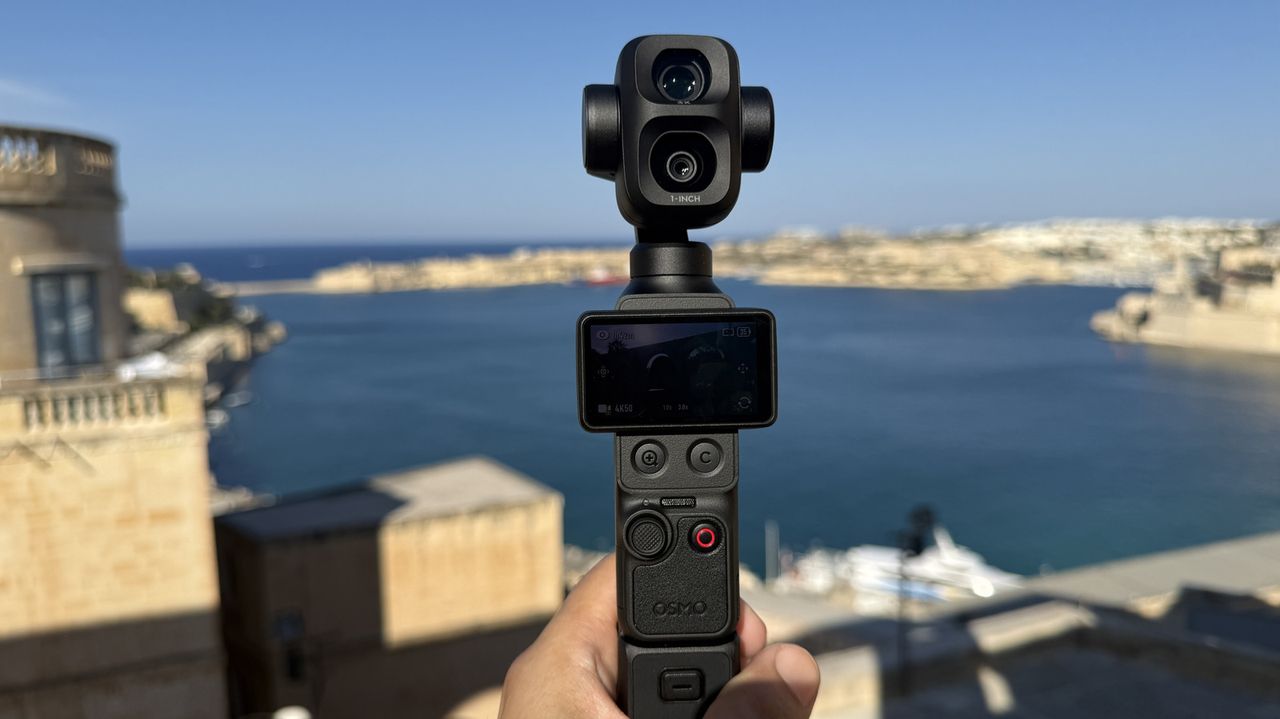
DJI's latest pocket gimbal camera ships with a new D-Log2 color profile and a claimed 17 stops of dynamic range—figures that until recently lived in the realm of dedicated cinema bodies costing many multiples more. The headline spec matters less than what it signals: the commoditization of professional imaging into consumer-priced, smartphone-adjacent form factors.
The strategic context is a three-way squeeze. On one side, smartphone makers—Apple, Samsung, and Chinese OEMs—keep absorbing the casual photography market through computational imaging. On the other, traditional camera incumbents like Sony, Canon, and Nikon defend the high-margin professional and prosumer tiers. DJI is attacking the soft middle: creators who want cinematic output without a full rig. By stacking gimbal stabilization, log color science, and compactness, DJI builds a category where neither phones nor mirrorless bodies compete cleanly.
The deeper threat for camera incumbents is software-defined differentiation. DJI iterates rapidly on firmware-driven features—dynamic range, codecs, tracking AI—while legacy players remain bound to slower hardware cycles and protective channel pricing. Expect DJI to keep pulling "pro" specs downmarket faster than Sony or Canon can defend margins, mirroring how the company already disrupted the drone market into near-monopoly.
There is also geopolitical overhang. DJI sits on US scrutiny lists over security and supply-chain concerns, and the company faces potential import restrictions in the American market. That regulatory risk creates an opening for rivals—and a reason for global buyers and content platforms to diversify. Western camera brands and emerging challengers should treat any DJI market-access friction as a window, not a permanent moat.
For investors and product leaders: the imaging value chain is migrating toward sensors plus silicon plus software, not optics alone. Companies positioned in image-processing ASICs, on-device AI, and creator-tooling ecosystems will capture the upside. The action item is clear—watch whether incumbents respond with aggressive feature unbundling and subscription-style firmware monetization, or cede the creator economy's hardware layer to DJI's relentless cadence.




