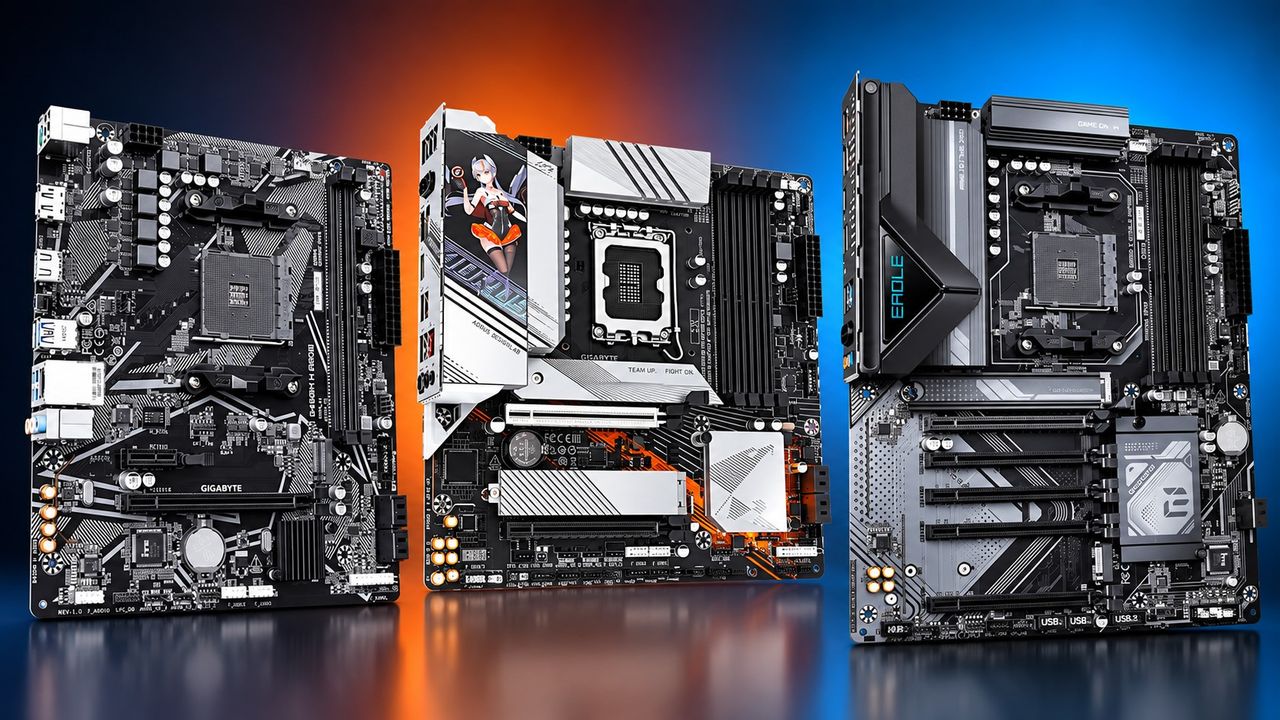
GIGABYTE added three DDR4-compatible boards to its Japanese lineup, two for AMD's AM4 platform and one Intel LGA 1700 model, as DDR5 pricing continues to rise.
On its own this looks like routine SKU housekeeping. Read against the broader memory market, it is a tell. Vendors do not invest engineering and channel effort in prior-generation platforms unless demand is structurally there. DDR5 spot and contract pricing has been under upward pressure as HBM and server DRAM absorb fab capacity to feed AI datacenter buildout. When the same wafers that could become consumer DDR5 are diverted to high-margin AI memory, the client PC market pays the difference. Keeping DDR4 platforms alive is how board makers defend the entry and mid-range segments where a memory price spike can kill a whole build budget.
Globally, this reinforces a theme that will define 2025-2026 hardware planning: the AI compute boom is no longer an isolated datacenter story, it is reaching into consumer component pricing. Procurement teams building anything from workstations to edge devices should assume memory cost volatility as a baseline planning assumption, not a tail risk.
For the Japanese market specifically, the timing is sharper. A weak yen already inflates the landed cost of imported DRAM and finished boards, so Japanese buyers feel DDR5 increases faster and harder than dollar-denominated markets. GIGABYTE launching this SKU set specifically for Japan is a direct read of local price sensitivity. Japanese PC builders, small integrators, and BTO shops that serve SMBs will lean on DDR4 platforms to hold price points customers still expect.
For SIers and corporate IT refresh cycles, the practical implication is real. Windows 10 end-of-support is pushing large fleet replacements, and many of those fleets do not need DDR5 performance. Standardizing refresh hardware on cost-stable DDR4 platforms, where compatible, is a defensible way to control per-seat spend while memory pricing stays unpredictable. The lesson for local procurement and dev-team hardware planning is not which board to buy, but to treat memory sourcing as an active cost variable tied to the AI supply chain, and to build refresh budgets with headroom for it.




