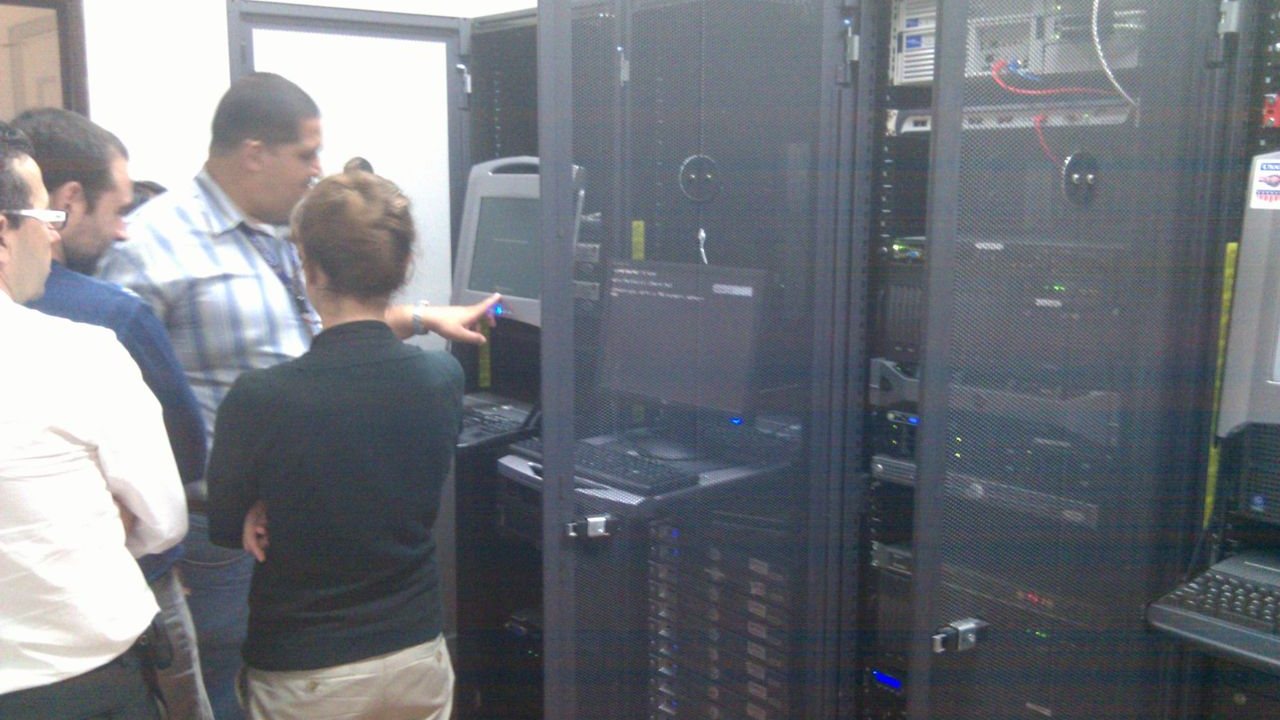
The arrival of a high-profile environmental campaigner on the data center beat signals a transition that infrastructure planners have underestimated: the AI buildout is becoming a public-trust problem, not just an engineering one. What began as scattered local disputes over noise and traffic is consolidating into a coordinated narrative around water consumption, grid strain, and corporate opacity—exactly the conditions that turned earlier industrial expansions into multi-year permitting battles.
The core vulnerability is disclosure. Hyperscalers and colocation operators have historically negotiated incentives and water rights behind NDAs, treating siting as a competitive secret. That posture worked when communities saw data centers as low-impact tax windfalls. It collapses the moment campaigners reframe them as resource extractors competing with residents for water and electricity during drought and rate spikes. Secrecy, once a tactical advantage, becomes the headline liability.
The numbers make this politically combustible. Data center electricity demand is projected to roughly double by 2030, with single AI campuses now requesting gigawatt-scale interconnections and millions of gallons of daily cooling water. When utilities pass capital costs to ratepayers, the activist message—corporations profit, residents pay—writes itself. Expect this to migrate from Virginia, Arizona, and Texas into Europe, where Ireland and the Netherlands have already imposed moratoriums.
For operators—Microsoft, Google, Amazon, Meta, Oracle, and the neocloud entrants like CoreWeave—the strategic response is preemptive transparency. Publishing water-usage effectiveness, committing to closed-loop or air cooling, and signing community benefit agreements will increasingly be table stakes for permits. Firms that volunteer disclosure will out-compete those forced into it. Investors should price political risk into greenfield site valuations and favor developers with diversified geographies and on-site generation.
The recommended action: treat environmental and community relations as core to the capex thesis, not PR. The constraint on AI scale over the next five years may prove to be social license and grid access rather than chips or capital.




