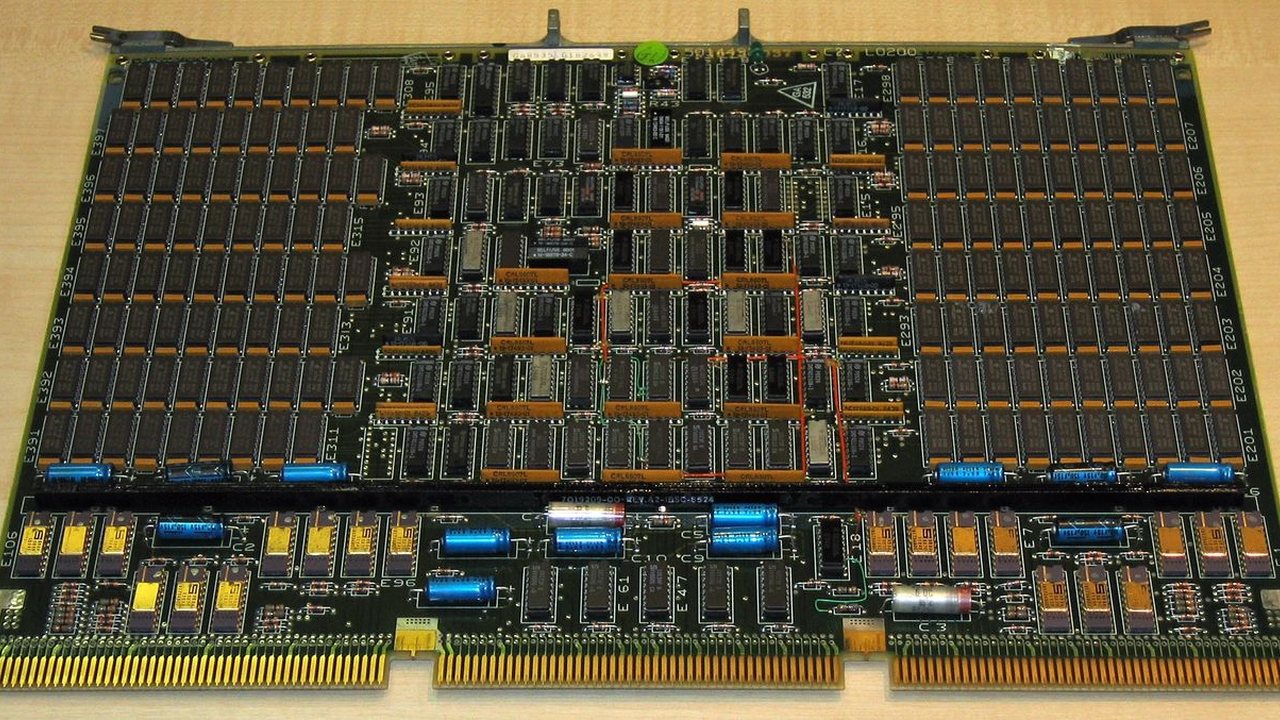
China's CXMT has reached mass production of advanced DDR5 32Gb chips, the first credible challenge to the three-way DRAM oligopoly held by Samsung, SK hynix, and Micron. The strategic significance runs far deeper than a simple price-war narrative.
The immediate pressure point is margin compression among the incumbents, which cascades through the entire capital equipment chain. Tool vendors whose order books track the big three's capex cycles—Tokyo Electron, Applied Materials, Lam Research, ASML, Advantest—face a double-edged exposure. A DDR5 price slide could trigger deferred fab investment among incumbents, yet CXMT and other Chinese makers, constrained by export controls, are intensifying demand for permitted equipment in regulatory gray zones. Managing this contradiction is the central variable for equipment executives over the next three years.
For materials suppliers—Shin-Etsu, SUMCO, JSR, Tokyo Ohka, Merck, DuPont—CXMT's ramp is a short-term tailwind but a structural warning. China is quietly localizing wafers and process chemicals, eroding the assumption of permanent dependence on incumbent suppliers. The defensible escape route is HBM-grade wafers and advanced-logic materials; commodity DRAM share will be contested. The mandate is to accelerate the product-mix shift toward HBM and leading-edge nodes before commodity pricing collapses.
For buyers—hyperscalers, server OEMs, industrial and consumer-electronics firms—CXMT is a procurement gift, not a primary supplier. Expect strengthened price-negotiation leverage in commodity DDR5 by early 2026. The prudent play is to use CXMT as a benchmark against the big three while continuing to source from established vendors, given US secondary-sanction risk, qualification uncertainty, and long-term supply assurance.
Watch CXMT's yield-improvement pace as a leading indicator for YMTC's NAND trajectory. The wider lesson: incumbents and their ecosystems should stop defending commodity ground and concentrate R&D on HBM, advanced packaging, and CXL—territory China cannot reach quickly. The decisive question is not whether the price wave arrives, but whether players change the battlefield before it does.




