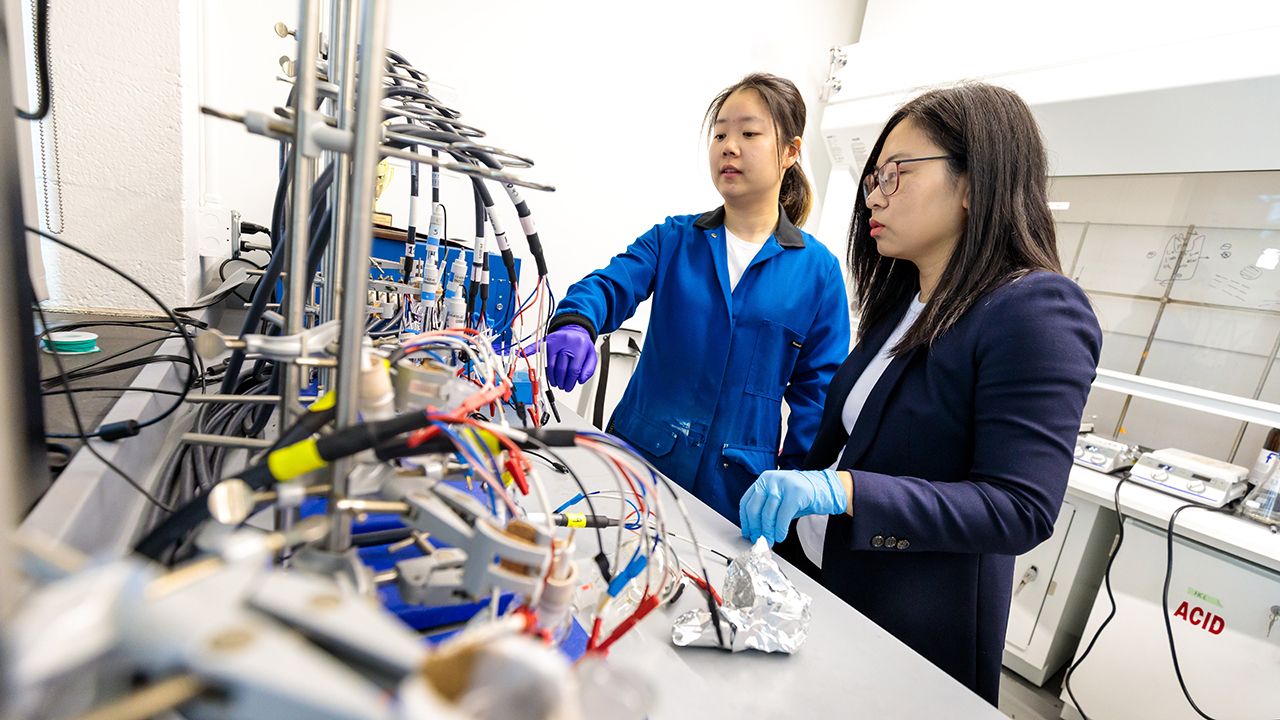
University of Chicago researchers have demonstrated a solid-state "atomic channel" that separates individual rare earth elements by size at the ionic level, sidestepping the solvent-extraction chemistry that has defined the industry for decades. The headline fact is narrow. The strategic stakes are not.
Rare earth separation, not mining, is the real chokepoint. China controls roughly 85-90% of global processing capacity precisely because solvent extraction is capital-intensive, environmentally punishing, and requires hundreds of counter-current stages to pull chemically near-identical elements apart. That barrier is why the US, EU, and Japan can dig ore in Australia or California yet still ship concentrate to China for refining. A membrane approach that swaps thousands of liquid-liquid stages for a passive, low-waste separation attacks the exact economics that made Western processing uncompetitive.
The near-term reality check: this is lab-stage science, years from throughput at commercial scale, and incumbents like Lynas, MP Materials, and Solvay have deep operational moats. But the direction of travel matters for capital allocation now. Investors backing rare earth ventures should treat separation IP, not deposits, as the asset that compounds. Magnet-dependent sectors — EV drivetrains, wind turbines, defense systems, robotics actuators — face the tightest exposure to dysprosium and terbium, and any credible path to diversified refining reprices that risk.
Recommended moves: automakers and defense primes should fund or option early-stage separation platforms to hedge Beijing's export-control leverage, which Beijing has already weaponized in 2023-2025. Governments deploying Defense Production Act and EU Critical Raw Materials Act money should shift subsidies from mining toward processing innovation, where the actual dependency lives. Chemical majors risk disruption if membrane separation scales and should acquire rather than ignore it.
The broader signal: the rare earth contest is quietly becoming a materials-science race, and whoever industrializes clean separation first gains durable leverage over the electrified, AI-hardware economy.




