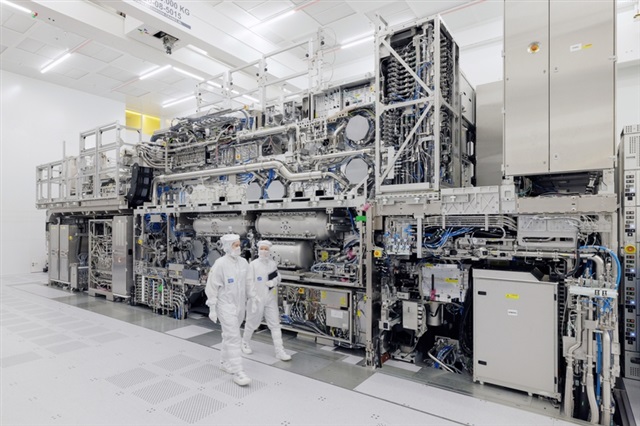
Chipmakers are now negotiating for tools that will not ship until 2029, because AI-driven fab expansion has stretched some equipment lead times past two years. The signal matters more than the specific dates: capacity for the next buildout cycle is being allocated now, not when fabs break ground.
The global consequence is a shift in who holds pricing power. When delivery slots are the binding constraint rather than capital, equipment vendors can be selective about customers, demand firmer commitments, and protect margins through the cycle. For buyers, ordering three to four years ahead converts a forecasting problem into a balance-sheet problem. Guess demand wrong and you own depreciating tools or forfeited deposits; guess too conservatively and you are locked out of capacity rivals have already reserved. This favors the largest, best-capitalized fabs and widens the gap with second-tier players who cannot commit years of capex on uncertain AI demand.
There is also a hidden fragility. Multi-year backlogs look like strength, but they are built on AI order assumptions that could soften. If model-training or inference demand plateaus, the same lead times that protect vendors today become a cancellation and renegotiation overhang tomorrow, as happened in prior memory and foundry downturns.
For Japan, this is unusually favorable. The country's equipment ecosystem sits at choke points of the very tools in shortest supply: deposition and etch, cleaning and coater-developer track systems, test and dicing, and EUV inspection. Firms in this layer gain visibility into multi-year backlogs and stronger negotiating positions than they have had in years, which supports sustained capex and hiring in domestic tool manufacturing and its component suppliers.
Japanese fabs and the SIers serving them should read the lead-time wall as a planning mandate. Capacity, cleanroom construction, and the control and MES software around new lines must be scoped against 2028-2029 delivery, not against current order books. Development and automation teams supporting semiconductor clients should expect longer project horizons and should bake tool-delivery risk, not just software timelines, into their roadmaps.




