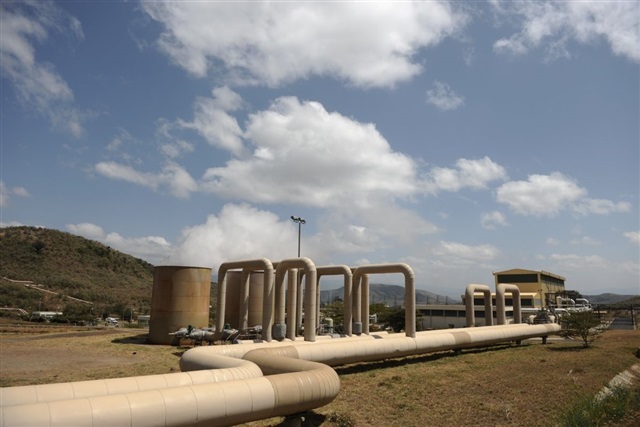
Focusing on cost-per-kWh misses what actually governs a fab's energy decisions. Advanced semiconductor manufacturing runs continuously, and tolerance for interruption is near zero. A momentary voltage sag can scrap partially processed wafers carrying enormous value, so stability, not the headline tariff, is the metric that matters. This is where geothermal earns its premium: it delivers firm, round-the-clock clean power that intermittent solar and wind structurally cannot, while still counting toward RE100 and customer decarbonization mandates. The price gap is real, but chipmakers are effectively buying insurance and compliance, not just electrons.
The deeper story is that firm low-carbon power has become a strategic input across every compute-intensive industry. The same logic driving Italy's parliament back toward nuclear is pulling fab operators toward geothermal: AI datacenters and leading-edge fabs need baseload clean energy at a scale that weather-dependent renewables struggle to guarantee. Expect procurement strategies to shift from chasing the cheapest renewable PPA toward securing a diversified portfolio of firm clean sources, with geothermal, nuclear, and long-duration storage all competing for the same scarce commodity: reliable zero-carbon capacity.
For Japan, this is more pointed than it first appears. The country holds some of the world's largest geothermal potential yet develops only a sliver of it, held back by national-park siting rules and resistance from the onsen hot-spring industry. That underused resource now collides with a semiconductor revival that depends on exactly the kind of power geothermal provides. Rapidus in Hokkaido and TSMC's expanding Kumamoto operations will need firm clean electricity at scale, in regions where grid headroom and renewable firmness are already contested.
Japanese manufacturers, SIers, and the dev and operations teams building out fab-adjacent infrastructure should treat energy sourcing as a first-class design constraint, not a facilities footnote. RE100 commitments and supply-chain decarbonization demands from global customers are tightening, and 'cheap but intermittent' will not satisfy either uptime or compliance requirements. The firms that move early to lock in firm clean capacity, and the integrators who can model energy reliability into site and system planning, will hold a durable advantage as power, not just silicon, becomes the binding constraint on Japan's chip ambitions.




