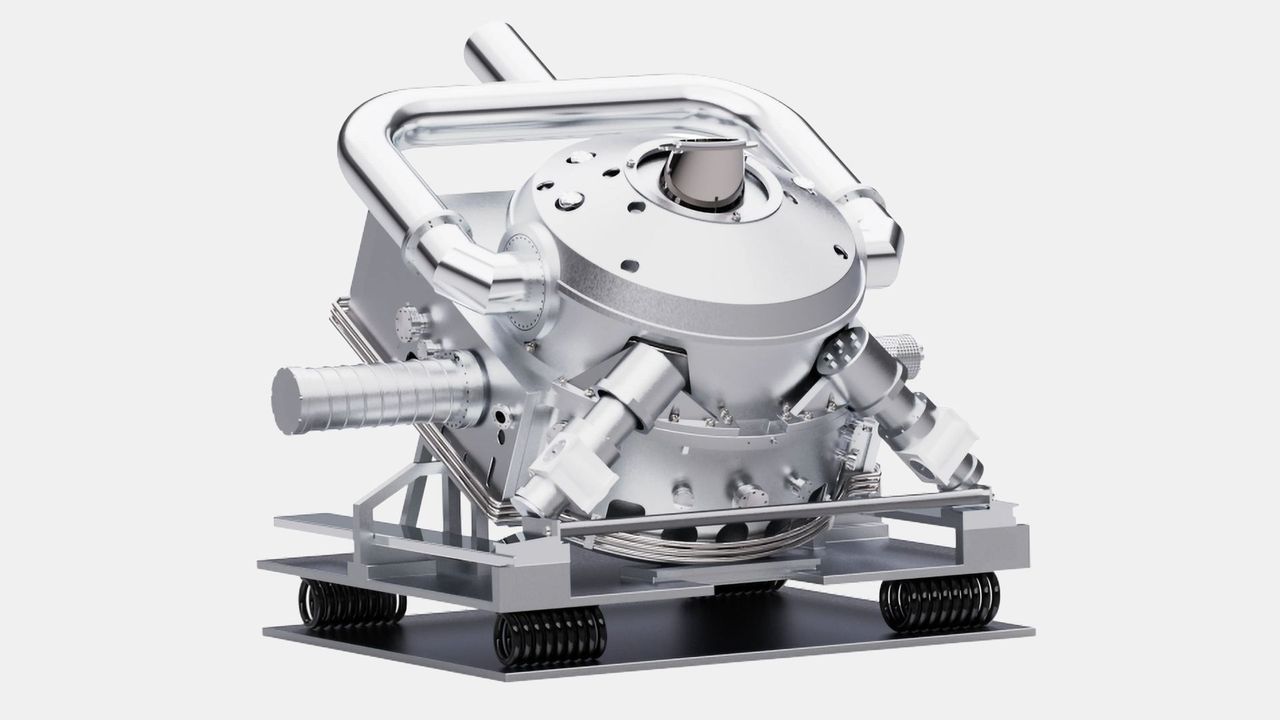
A Chinese startup, Langdao Silex, demonstrated a laser-produced plasma EUV light source at a trade show, claiming 15W of output and roughly 90% domestic components, while conceding the technology is years from viability.
The strategic signal matters more than the spec sheet. A light source is only one subsystem of an EUV scanner, and 15W sits an order of magnitude below the sustained power that volume production demands. The harder problems lie downstream: ultra-flat defect-free mirrors, high-numerical-aperture optics, droplet-timing control, pellicles, and the decades of integration knowledge that let a single tool print wafers reliably for years. Export controls have blocked China from the finished scanners, so Beijing's play is to rebuild the entire stack from first principles. That is a slow, capital-heavy path, but it reframes the sanctions debate: controls buy time and raise cost, they do not permanently freeze capability. For the incumbent supply chain, the lesson is that the moat is systems integration, not any one patent.
For global chipmakers and equipment leaders, the near-term threat is negligible and the long-term one is structural. A credible domestic EUV effort, even if a decade out, caps the addressable Chinese market for Western and Japanese tools and pressures pricing on the mature-node gear China can already buy. The optionality China is building should be priced into equipment vendors' China revenue assumptions now.
For Japan, this cuts close. Japanese firms own critical layers of the EUV value chain, from light-source expertise to photoresists, blank masks, and precision components where domestic suppliers hold dominant share. A self-sufficient Chinese stack is a direct demand risk for exactly these materials and subsystem players over time. The response is not to defend a static lead but to push into high-NA tooling and specialty materials where the integration gap is widest.
For Japanese SIers and enterprise IT, the second-order effect is supply-chain planning. Semiconductor localization fragments global sourcing, and firms building procurement, traceability, and compliance systems should design for a bifurcated chip supply rather than a single global market. Treat this demo as a planning input for multi-year hardware roadmaps, not as a headline to dismiss.




