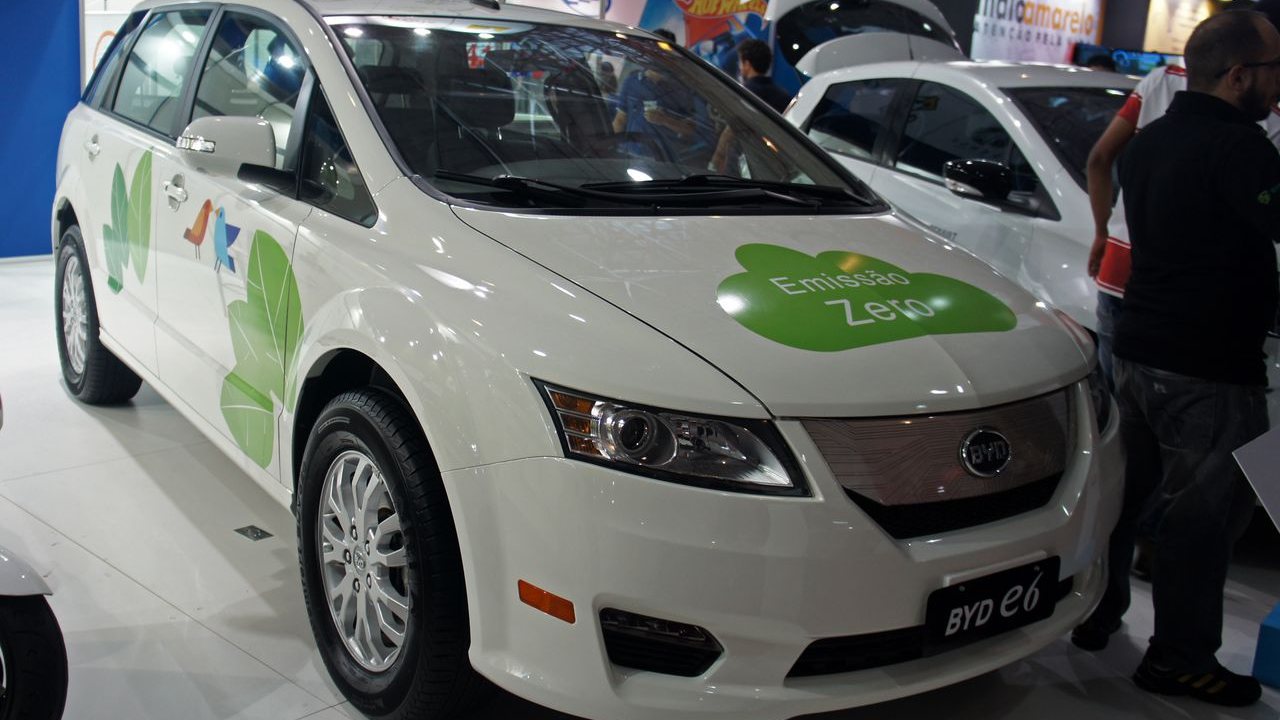
BYD has produced its 60 millionth new-energy vehicle, a figure that matters less as a vanity stat than as proof that the experience curve is hardening into a structural moat. In auto manufacturing, every doubling of cumulative output typically shaves 15-25% off unit costs. With annual volumes above 4 million NEVs, BYD is widening a per-vehicle cost advantage measured in thousands of dollars over Western and Japanese rivals whose pure-EV programs still run at a fraction of that scale.
The deeper threat is vertical integration. BYD manufactures its own LFP cells, IGBTs, silicon-carbide power modules, vehicle OS, and body stampings in-house. This captures margin at every layer while insulating the company from currency swings and component bottlenecks. It is a fundamentally different game from the modular outsourcing model that defined the combustion era—and it explains why BYD can profitably contest price points from entry-level to premium simultaneously.
For incumbents, incremental kaizen-style cost cutting no longer closes the gap, because the gap is now embedded in supply-chain ownership, not assembly efficiency. Toyota's next-gen BEV platform arriving in 2026 will meet a BYD that has accumulated another 20 million units of learning by then. Volkswagen, Ford, and GM face the same arithmetic in their own China retrenchments. Joint-venture brands built on local partners risk surrendering IP and brand equity for short-term volume that may not survive the price war.
The supplier squeeze is more acute. Tier-1s like Bosch, Continental, Denso, and Aisin face shrinking volumes as Western OEMs retreat from China, yet direct supply to BYD and its domestic peers means accepting 20-30% lower pricing and aggressive technology-disclosure demands. Whether they can pivot from legacy components into electrified powertrain and ADAS hardware for Chinese ecosystems is the decisive question of the next 24 months.
Three strategic moves stand out. First, legacy automakers should stop trying to 'win' China and concentrate capital on ASEAN, India, and Latin America—though BYD and Great Wall are already localizing in Thailand, so that window narrows by 2027. Second, suppliers must spin up dedicated China-NEV units with local R&D and sourcing to match domestic cost structures. Third, materials and battery-chemical players—cathode, separator, and SiC substrate makers—should double down on B2B supply to Chinese cell makers, capturing value upstream even as the vehicle layer consolidates. The winning posture is portfolio-level: cede commoditized assembly, dominate the high-margin inputs.




