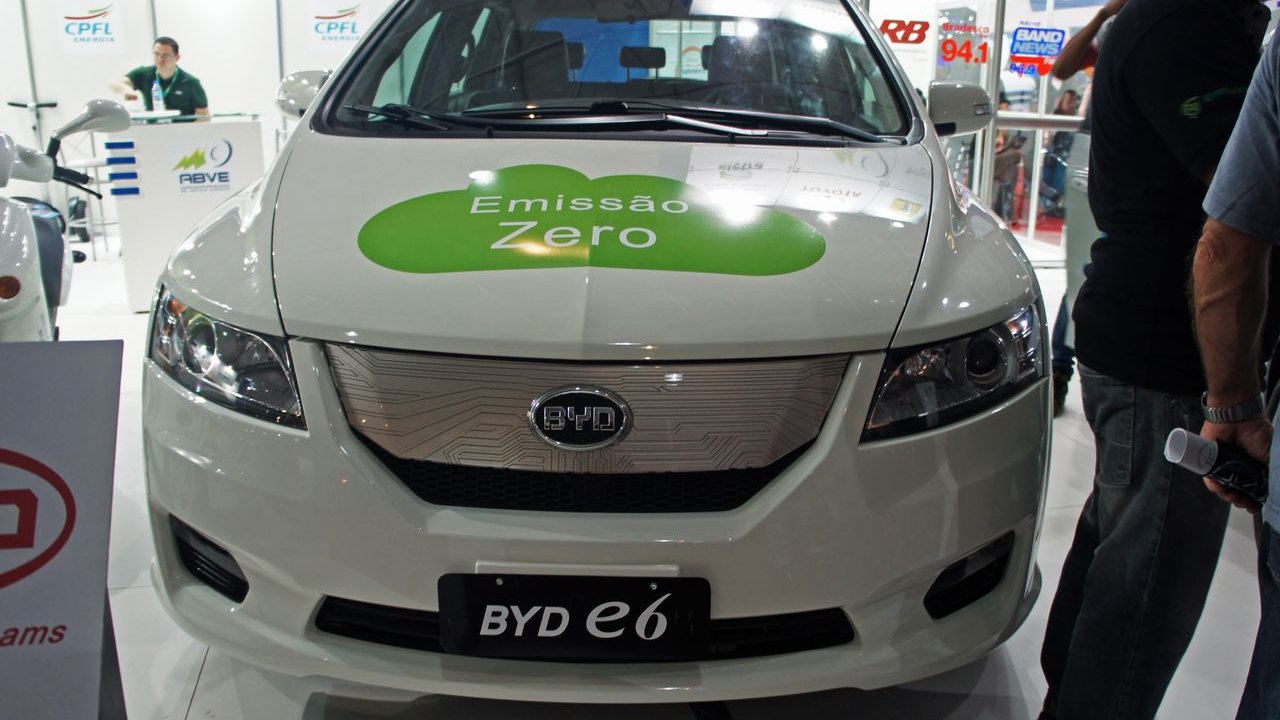
BYD's Blade V3 reportedly pushes LFP energy density to 230Wh/kg—territory once reserved for NCM523 nickel-cobalt cells. Without cobalt or nickel, this collapses the long-assumed trade-off between cost, safety, and range that structured the entire battery industry.
The strategic significance is timeline compression. Incumbents from Panasonic to LG and Samsung SDI built mid-decade roadmaps on a tidy segmentation: ternary chemistries for premium range, LFP ceded to Chinese players on price. That wall is now porous. If LFP can match ternary density while winning on cost, safety, and cycle life, the rational case for NCM/NCA shrinks to a narrow band—high-output performance EVs and 700km-plus flagships. Everything below that defaults to LFP, and the volume is in the middle.
The sharper risk lies in the gap year. Toyota's solid-state targets (400-500Wh/kg, 2027-2028) don't compete directly with V3—but they don't ship today either. The question is which cell fills the interregnum. If Toyota's, Subaru's, and Mazda's next EV waves carry cells that trail BYD and CATL on cost-density, their competitiveness in China and emerging markets erodes structurally—a textbook 'win the technology, lose the business' trap. Honda and Nissan already lean heavily on CATL; the rest need procurement diversification now, not in 2027.
Supply-chain ripples cut both ways. Nickel and cobalt refiners and ternary cathode suppliers face demand-mix shock, while separator, electrolyte, and chemical players gain fresh order flow as LFP scales. Solid-electrolyte capex—now justified on a specific payback window—must be re-underwritten against a faster-moving LFP curve.
Recommended actions: First, OEMs should abandon battery self-sufficiency dogma and openly weigh strategic sourcing of Chinese high-density LFP, even via licensing. Second, established cell makers must decide within 12-24 months whether to build, license, or partner into high-density LFP. Third, solid-state launch dates should be validated on economic cost-crossover logic, not fixed calendar targets. With CATL's next Shenxing variant arriving in late 2026, the competitive window is closing faster than incumbents have modeled.




