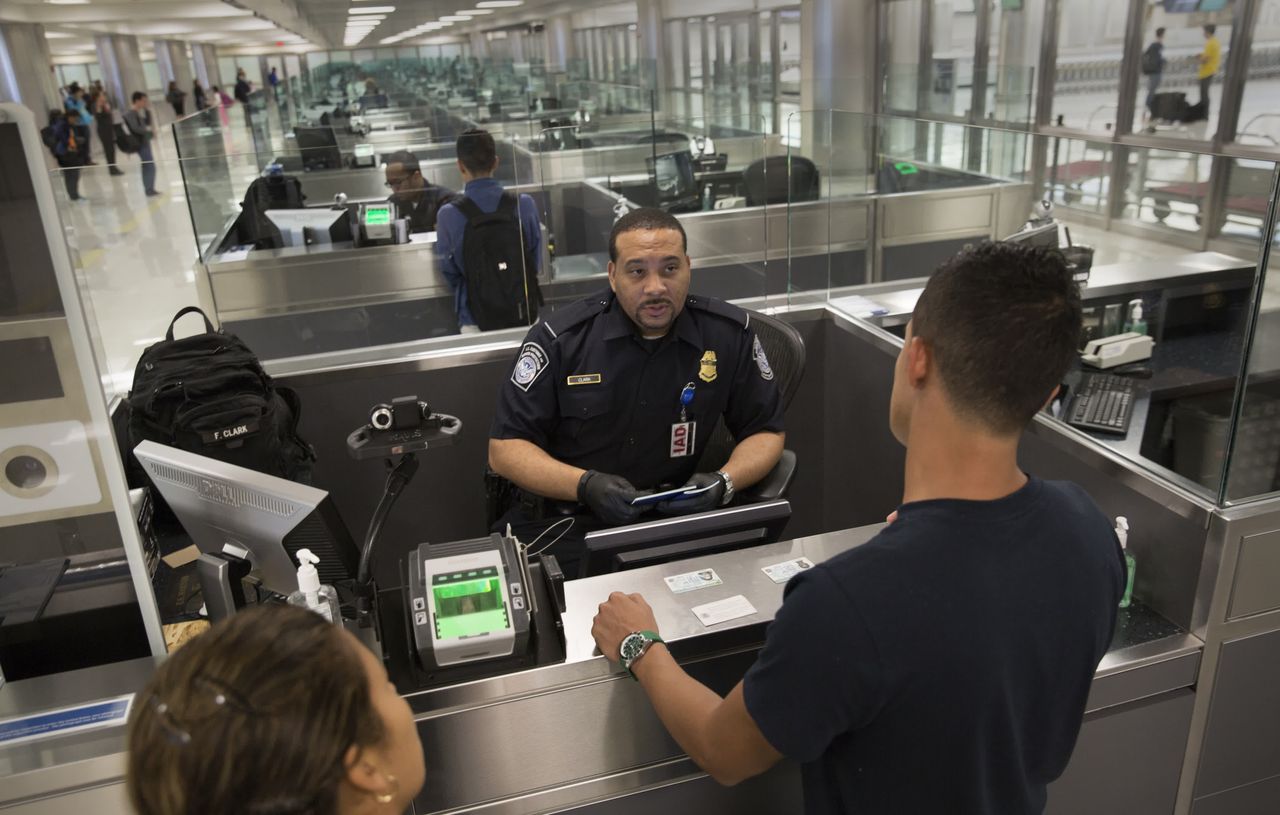
The underlying event is narrow: a US traveler faces charges after his GrapheneOS-hardened phone reportedly wiped during an airport inspection, with prosecutors treating the erasure as obstruction rather than routine security hygiene.
The strategic signal is far larger. Border crossings have quietly become the softest point in every enterprise security perimeter. Devices that are fully encrypted at rest can still be compelled open, imaged, or interpreted as evidence of intent when they resist inspection. For multinationals, this collapses a comfortable assumption: that strong device security is purely a technical control. It is now also a legal exposure, where the same feature that protects trade secrets can be reframed as adversarial behavior by a state actor.
The near-term risk lands on any company moving people and data across jurisdictions — consultancies, banks, defense contractors, journalists' employers, and pharma teams carrying research. Auto-wipe, duress features, and self-hosted secure OS builds like GrapheneOS or CalyxOS were niche; they are becoming mainstream as privacy-conscious staff adopt them independently. When employees make unilateral security choices, the corporation inherits the legal consequences without controlling the policy.
The opportunity sits with vendors who can operationalize 'clean device' travel. Expect demand for managed burner-device programs, remote-attestation MDM from Apple Business Manager, Microsoft Intune, and Samsung Knox, and cloud-first workflows where nothing sensitive lives locally. Zero-data-at-rest architectures — thin clients pulling from Zscaler, Cloudflare, or a company VPC — sidestep the seizure problem entirely and are the more defensible posture than encryption theater.
Recommended actions: issue explicit device-travel policy that bans personal privacy-OS handsets for work data, standardize on corporate loaner devices with no persistent secrets, and brief legal on how erasure and non-cooperation are prosecuted in each operating region. Investors should watch this as a demand catalyst for confidential-computing and remote-workspace players. The broader trend is unmistakable: privacy engineering and state inspection powers are on a collision course, and enterprises, not individuals, will absorb most of the liability.




