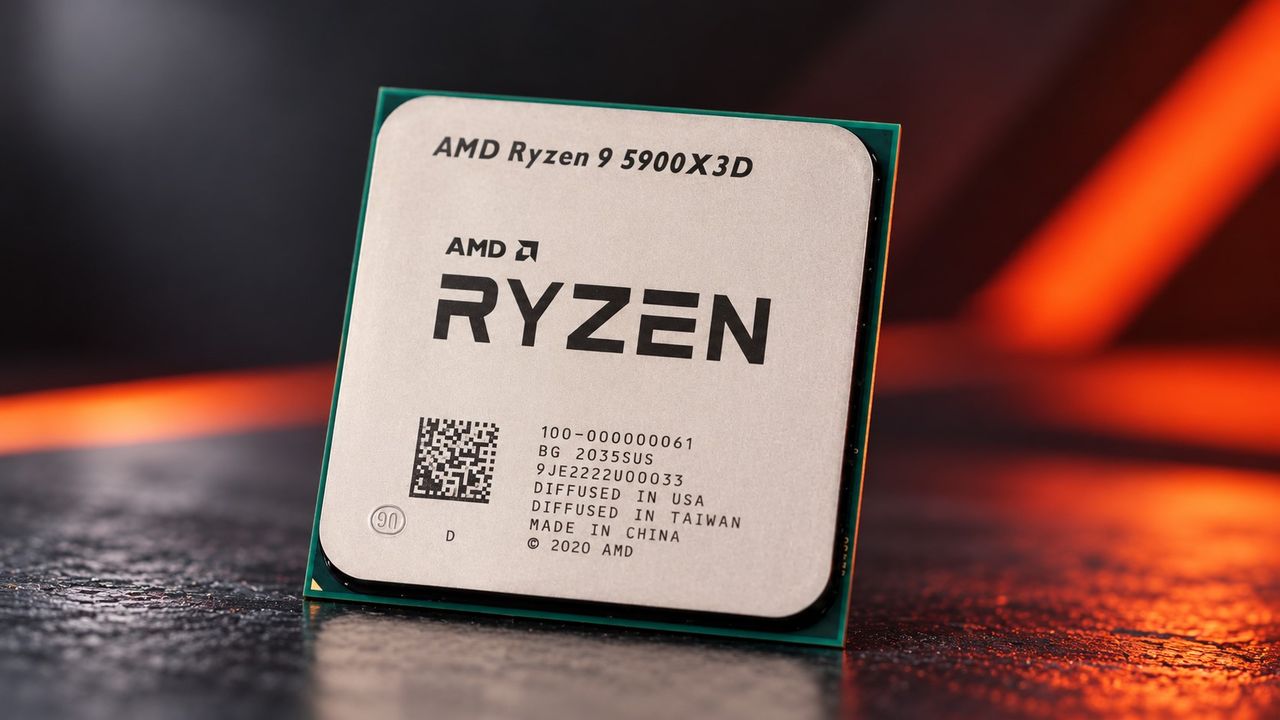
The reference AMD X3D sample story is a collector's curiosity, but the day's real client-silicon event is Qualcomm's Snapdragon X2 series earning Linux support while Microsoft refreshes the Surface Pro and Surface Laptop around X2 Plus chips. Read together, these moves signal that Arm on the PC is graduating from a Windows-only compatibility bet into a multi-OS platform play. Linux support matters less for consumer laptops and more for what it unlocks: developer workstations, cloud-dev boxes, and the long tail of enterprise tooling that lives outside Windows. Once the toolchains, drivers, and CI runners target Arm natively, the switching cost that has protected x86 for two decades starts to erode.
The global implication is a slow structural shift in client compute economics. Intel and AMD still dominate installed base and raw single-thread performance, but the competitive axis is moving toward performance-per-watt, on-device NPU throughput, and all-day battery life. Microsoft putting X2 Plus in its own flagship hardware is a signal to OEMs that Arm is a first-class Windows citizen, not a side project. The risk for the x86 incumbents is not a sudden collapse but a gradual ceding of the premium thin-and-light and AI PC segment, exactly where margins are richest.
For Japanese enterprises and the SIer ecosystem, this is a procurement and standardization question that lands in 2026-2027 refresh cycles. Japanese corporate IT remains deeply x86-standardized, with managed device fleets, VDI setups, and legacy line-of-business apps validated against Intel platforms. An Arm transition forces revalidation of endpoint management, security agents, and the surprising amount of 32-bit and vendor-specific software still running in Japanese back offices. SIers that treat this as a packaged migration practice — app compatibility auditing, emulation performance testing, image rebuilds — can turn a disruptive shift into recurring integration revenue.
For local development teams, Linux support on X2 is the more consequential detail. Japanese dev shops that have adopted Apple Silicon already understand Arm-native workflows; the same muscle memory transfers to Windows and Linux Arm devices. But container images, build pipelines, and internally maintained toolchains still assume x86 in many Japanese organizations. Teams should begin auditing which Docker images, native dependencies, and RPA scripts break on Arm now, rather than discovering it mid-rollout. RPA deployments in particular, which hook deeply into Windows UI automation and specific driver behavior, deserve early compatibility testing.
The strategic takeaway for Japanese decision-makers is to stop treating Arm PCs as an Apple-only phenomenon. The multi-vendor, multi-OS momentum behind Snapdragon X2 means dual-architecture support is becoming a baseline requirement for internal software and procurement roadmaps, not a hedge. The organizations that build Arm-readiness into their 2026 planning will avoid paying a scramble premium when the hardware refresh arrives.




