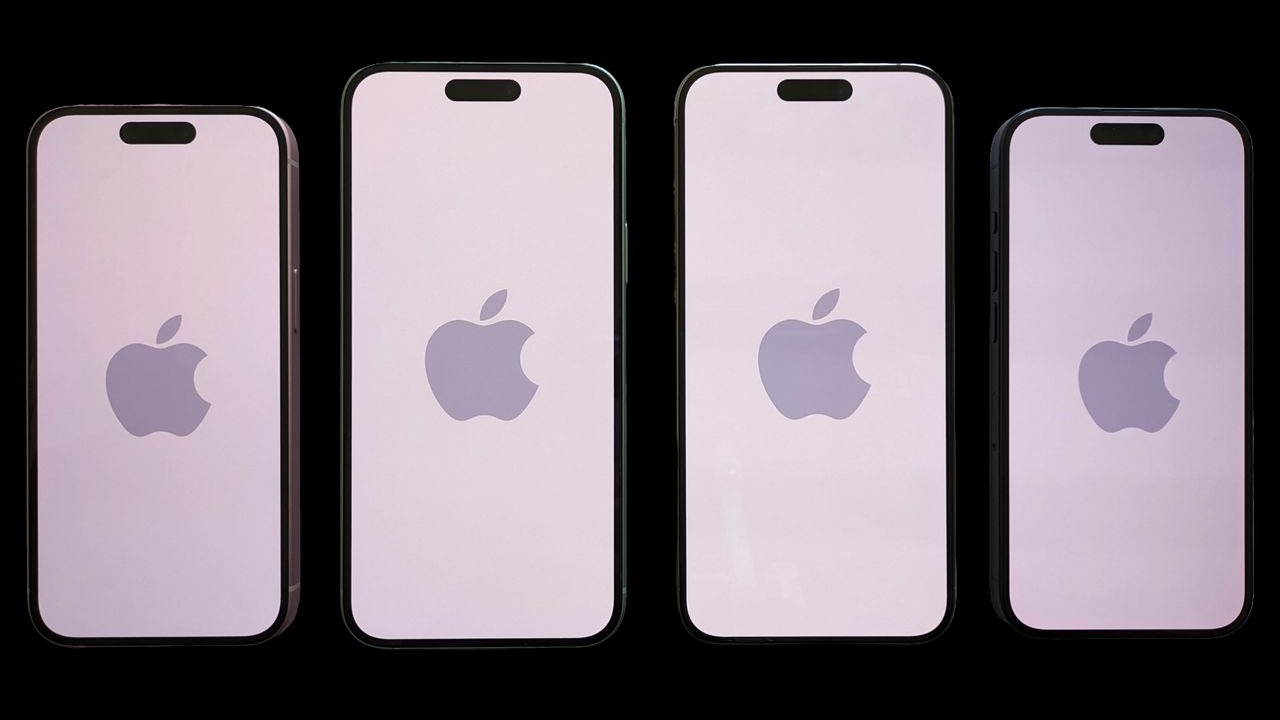
Apple has quietly reframed the iPad Pro M5 as a satellite of Vision Pro—an auxiliary display and physical input layer rather than a standalone tablet. The strategic payload is bigger than the hardware: Apple now operates a four-tier vertical stack spanning Mac, iPhone, iPad, and headset, each reinforcing the others through silicon and OS continuity. For any rival betting on standalone XR hardware, the moat just deepened.
The component economics cut in two directions. Tighter device pairing raises the combined bill-of-materials per dual-device user, a near-term tailwind for the sensor, display, and passive-component suppliers feeding the Apple stack. Micro-OLED, high-frequency parts, MLCCs, and haptics all benefit if Vision Pro attach rates climb. The faster amortization of micro-OLED mass-production lines is especially meaningful, since those fabs carry heavy fixed costs that only volume can rationalize.
The danger sits at the finished-product level. Vendors pursuing independent XR—whether enterprise headsets co-developed with industrial software partners or display-led hardware plays—lack the OS and application assets that make Apple's cross-device handoff feel seamless. Hardware-only competition against a vertically integrated platform rarely ends well; the precedent runs from Windows Phone to countless Android tablet efforts. The honest strategic question is whether to keep fighting for the device or pivot decisively to becoming the indispensable component supplier to Apple, Samsung, and Meta simultaneously.
Three moves matter now. First, micro-OLED suppliers should weaponize their current near-monopoly window to lock in yield and cost leadership before second sources mature. Second, platform-side players—carriers, app-distribution networks, chip-IP licensors—should build Apple-independent XR content rails, particularly around localized services that give them negotiating leverage when Apple expands. Third, B2B-focused firms should colonize industrial, medical, and education niches Apple under-serves, where workflow specificity beats ecosystem polish.
The clock is short. A wave of Meta and Samsung-Qualcomm hardware is expected to reshape the category by late 2026, compressing the window for repositioning. Executives and investors should treat XR component exposure as a volume play with real upside, while pricing in structural fragility for anyone still chasing standalone consumer headsets against Apple's integrated stack.




