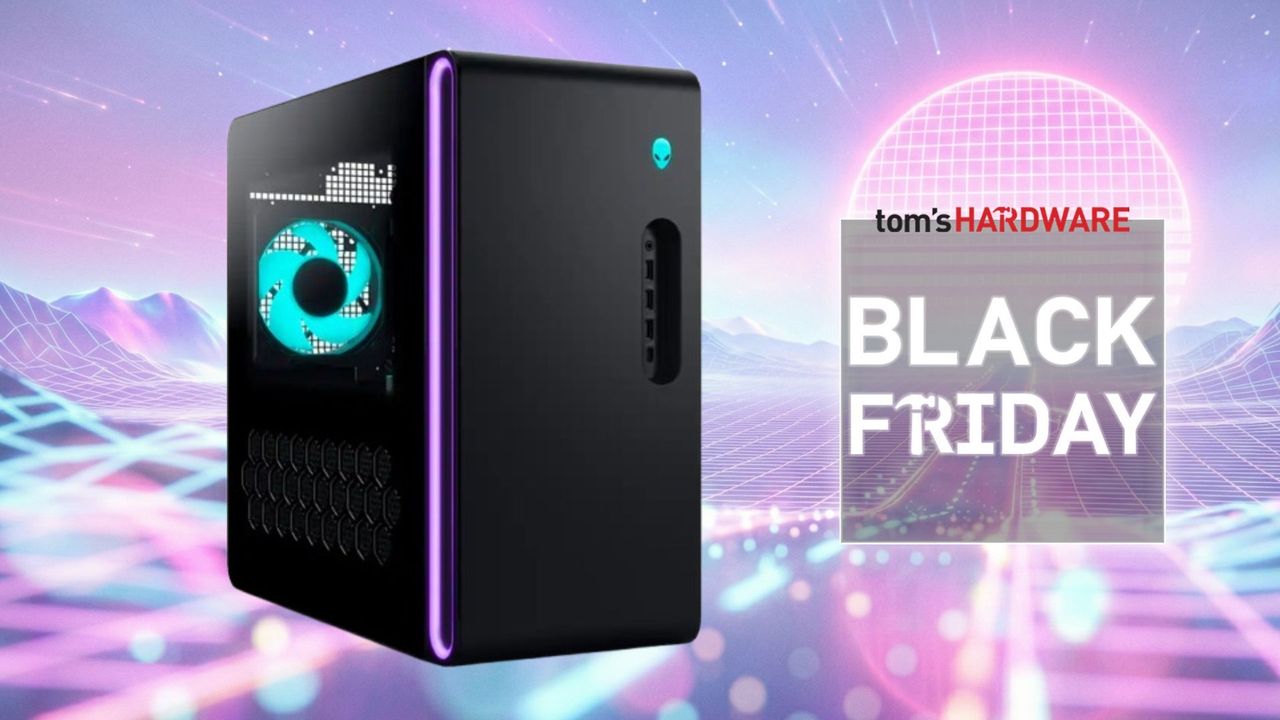
Amazon's Black Friday offer prices an Alienware Aurora with an RTX 5070 and 32GB of DDR5 memory at $1,899. For global enterprise buyers, the opportunity is a potentially lower entry cost for local GPU experimentation, not a new benchmark for production AI. A discounted desktop can provide a sandbox before teams commit to recurring cloud spending, but an isolated promotion does not establish a durable decline in compute costs.
The distinction between system memory and GPU memory is central. The advertised 32GB describes DDR5 system RAM, not the graphics-memory budget available to a model. Model fit, response time and concurrent use would need validation against the actual configuration and software stack. Buyers should also separate development sandboxes from services requiring predictable availability: monitoring, patching, recovery and support can outweigh the saving on the machine. Hardware affordability and production readiness are different purchasing questions.
Local execution can reduce the data sent to external inference providers, but it also transfers security and operational responsibility to the buyer. Electricity consumption, idle time and utilization belong in the comparison with cloud charges; moving computation out of a data center does not by itself establish an emissions benefit. The useful measure is cost per acceptable result, including staff time, rather than the sticker price of a GPU-equipped desktop. Intermittent workloads may still favor rented capacity if owned hardware spends much of its life unused.
For Japanese companies and SIers, the US promotion should be treated as a reference point, not a domestic procurement quote. Local pricing, warranty coverage, repair arrangements and approved configurations could change the economics. A sensible pilot would use representative Japanese-language and document-processing workloads, with explicit checks on output quality and data handling. SIers could package validated configurations, deployment controls and maintenance rather than simply resell hardware. The likely commercial opportunity is a supported local execution option within a hybrid architecture: keeping suitable workloads close to enterprise data while retaining cloud capacity where scale or operational requirements justify it.




