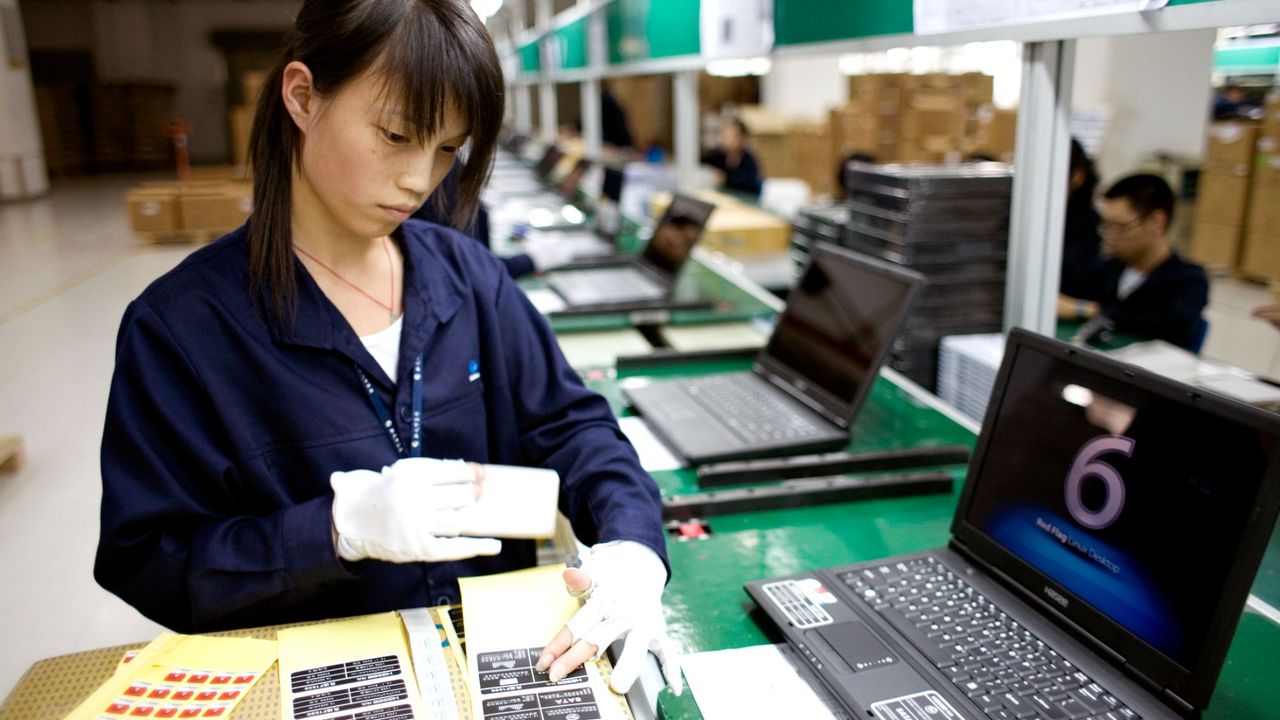
Faced with climbing memory and AI-component prices, the largest PC brands are shifting assembly back toward China, where an entrenched supplier base and proximity to domestic chipmakers lower landed cost. This runs directly against the "China+1" relocation story of the past five years.
The global signal is a bifurcation, not a reversal. Vendors now optimize for two incompatible objectives at once: the cheapest bill of materials, which still points to China, and political access to Western markets, which points away from it. Washington's move to bar Chinese-made drones, routers, and networked devices shows the compliance perimeter widening from telecom gear toward general hardware. Expect manufacturers to run parallel lines, China-built units for price-sensitive and non-restricted markets, and higher-cost Southeast Asian or Mexican capacity reserved for US federal and regulated buyers. That duplication erodes the scale efficiencies that made the single China hub attractive, so the cost relief brands are chasing may prove temporary once certification, tariff, and audit overhead is counted.
The deeper driver is that memory and AI silicon, not labor, now dominate a premium notebook's cost. When components swing double digits, factory location becomes a second-order lever. That reframes the entire reshoring debate: geography matters for market access and tariff exposure, not for shaving the dominant cost line.
For Japanese enterprises, the procurement risk is concrete. Corporate PC fleets and server refreshes face firmer pricing as AI demand soaks up DRAM and NAND supply, and buyers should lock multi-year agreements rather than assume annual price declines. Japanese brands carry an advantage here: a domestic-origin and trusted-supply-chain narrative reads well with both government buyers and US-aligned export customers, provided they can document component provenance.
For SIers and corporate IT, hardware refresh cycles and TCO models built on cheap, predictable endpoints need revision. Device sourcing is becoming a security and geopolitical question, not just a purchasing one, which argues for stronger supplier verification, bill-of-materials transparency, and contingency sourcing. Teams relying on RPA and legacy on-premise estates should treat this as further pressure to move workloads to managed cloud, where component inflation is absorbed by the provider rather than landing on the client's capex line.




