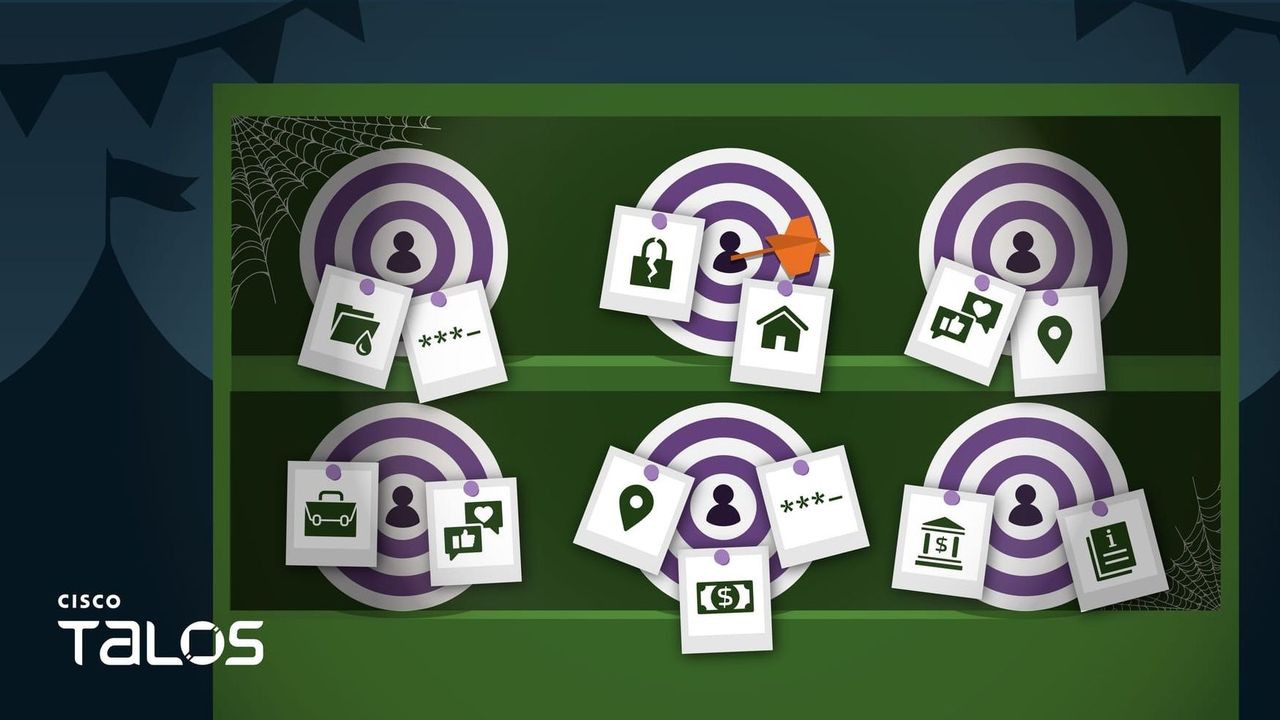
Cisco Talos documented VOLTA, a Windows infostealer that ships stolen data to Claude Opus 4.6 to rank assets by monetization value, can fail over to other models if one refuses, and then deletes itself.
The strategic shift here is not the theft but the triage. Classic infostealers vacuum up credentials and cookies and dump them to a server, leaving a human operator to sift through gigabytes of noise for anything worth selling. Routing that haul through a language model collapses the gap between breach and payout: the malware itself decides which corporate VPN token, crypto wallet, or finance-system login is worth exploiting first. That compresses the window defenders rely on. The hours between initial access and monetization, when anomaly detection and credential rotation can still blunt the damage, shrink toward the speed of an API call.
Two design choices deserve attention from security leaders. The model-switching logic treats safety refusals as a routing problem, not a wall, which means provider-side guardrails alone cannot be the control. And the optional AI step signals a modular toolkit mindset: attackers are building malware the way product teams build software, with pluggable components that degrade gracefully. Expect commodity stealer kits to adopt the same pattern, and expect foundation-model vendors to face sharper questions about abuse telemetry on their inference endpoints.
For Japanese enterprises, the exposure is concentrated and familiar. Endpoint hygiene across the mid-market remains uneven, credential reuse is common, and the long tail of Windows fleets in manufacturing and finance is exactly the asset mix an AI triage layer is built to sort. A stealer that can instantly distinguish a dormant personal login from a live production admin account raises the cost of every unmanaged endpoint.
For SIers and managed-security providers, this reframes the service conversation. Perimeter and signature-based offerings age fast against malware that reasons about its loot. The defensible position is identity-centric: aggressive credential rotation, phishing-resistant MFA, short-lived tokens, and egress monitoring that flags unusual outbound calls to LLM APIs from endpoints. RPA deployments warrant a specific audit, since bots often run under broad, persistent service accounts that an asset-ranking model would flag as top-value targets. Japanese security teams should treat LLM-assisted monetization as a near-term baseline threat, not a frontier curiosity, and price their roadmaps accordingly.